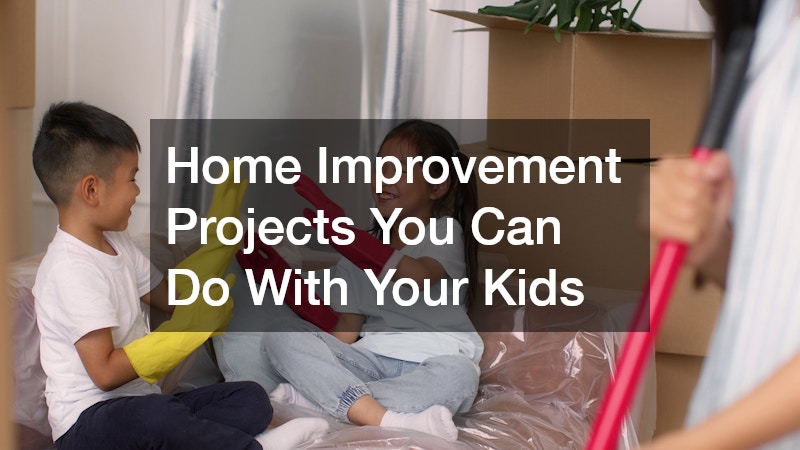

Home improvement projects don’t have to be overwhelming or stressful, especially when they’re approached as shared experiences rather than solo tasks. Involving children in home projects gives families a chance to slow down and work together toward something tangible. These projects turn everyday spaces into opportunities for learning, creativity, and connection. Over time, they help children feel more invested in their home environment.
Kids are naturally curious about how things work, and home projects give them real answers to their questions. Instead of abstract explanations, children get to see results unfold right in front of them. Whether it’s paint drying on a wall or plants growing in the yard, these experiences reinforce cause and effect. That kind of learning sticks far longer than instructions alone.
Working together on home projects also strengthens communication. Parents explain steps, safety rules, and expectations, while kids learn how to listen, ask questions, and follow directions. These interactions build trust and cooperation in a low-pressure setting. Over time, children become more confident participating in shared responsibilities.
Home improvement with kids isn’t about perfection or speed. It’s about patience, encouragement, and shared progress. Mistakes become teaching moments rather than frustrations. When children feel included and valued, they take pride in both the process and the result.
Painting a Bedroom

Painting a bedroom is one of the most approachable home improvement projects to do with kids. It offers immediate visual feedback, which keeps children engaged and motivated. Kids enjoy seeing a space change color and feel proud knowing they helped make it happen. Even small contributions can make a big impact.
Preparation is an important first step and an excellent learning opportunity. Children can help move light furniture, tape edges, and lay down drop cloths. These tasks show them that good results start with planning and organization. It also mirrors how an interior painting company approaches a job before the first coat goes on.
When it’s time to paint, kids can work on lower wall sections with small rollers or brushes. This allows them to participate safely while still contributing meaningfully. Parents can explain techniques like even coverage and why multiple coats may be needed. These lessons build patience and attention to detail.
Cleanup is just as important as painting itself. Washing brushes, sealing paint cans, and removing tape teaches responsibility. Kids learn that every project includes follow-through, not just the fun part. The finished room becomes a shared accomplishment everyone can enjoy.
Maintaining a Garden
Maintaining a garden is an excellent way to teach kids about consistency and care. Gardens require ongoing attention rather than one-time effort. This helps children understand that many home tasks are about routine rather than quick fixes. Over time, kids begin to notice patterns and results.
Children can help water plants, check soil, and observe growth changes. These simple responsibilities encourage accountability without feeling overwhelming. Kids learn that skipping care can lead to visible consequences. That lesson applies far beyond the garden.
Weed control is a hands-on activity that many kids find surprisingly satisfying. Parents can explain how weeds compete with healthy plants for nutrients and space. Pulling weeds together helps kids practice observation and patience. It also reinforces the idea of protecting what you want to grow.
Gardening creates space for conversations about seasons, weather, and nature. Kids begin to understand how environmental factors affect outcomes. These discussions feel natural when they’re connected to real experiences. Gardening becomes both educational and relaxing for the whole family.
Choosing New Flooring

Choosing new flooring allows kids to participate in planning without the risks of installation. This project focuses on decision-making and comparison rather than physical labor. Children enjoy touching samples and sharing opinions. It gives them a voice in shaping shared spaces.
Parents can introduce different flooring products and explain how each performs in daily life. Kids learn why durability, texture, and maintenance matter. These discussions encourage practical thinking instead of purely aesthetic choices. Children start to understand trade-offs.
Comparing colors and patterns helps develop critical thinking skills. Kids learn that design choices affect how a room feels and functions. Parents can guide them through evaluating pros and cons. This reinforces thoughtful decision-making.
By involving kids in the selection process, parents teach long-term thinking. Flooring isn’t something changed often, so careful choices matter. Kids gain appreciation for planning ahead. That mindset carries over into other areas of life.
Choosing New Window Treatments
Window treatments offer a mix of creativity and practicality that appeals to kids. Children enjoy choosing colors or styles that reflect their personality. This gives them a sense of ownership over shared spaces. Design becomes a collaborative experience.
Parents can explain how light control and privacy affect comfort. Demonstrating how modern roller shades work helps kids understand function beyond appearance. These explanations build awareness of how design choices serve a purpose. Kids learn that form and function work together.
Measuring windows is a great way to practice math skills in a real-world setting. Kids can help read measurements and double-check numbers. Accuracy becomes important when they see how measurements affect fit. This reinforces attention to detail.
Installing lightweight components under supervision allows kids to participate physically. They gain confidence handling tools safely. Parents can reinforce safety guidelines throughout the process. The finished result feels more meaningful when kids helped create it.
Cleaning the Gutters
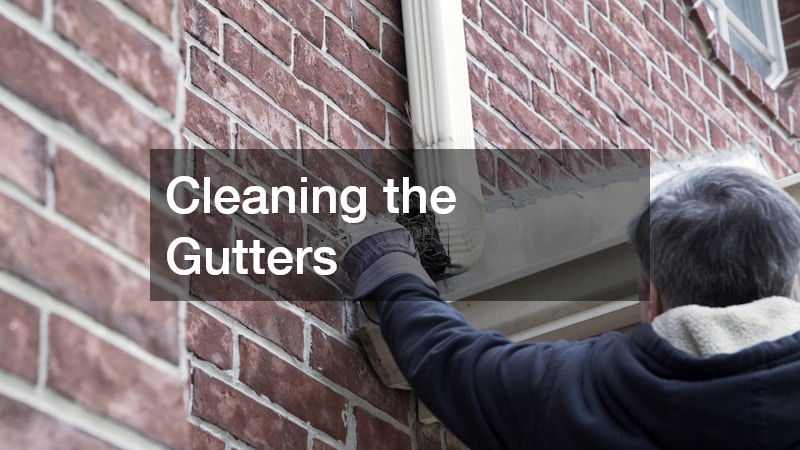
Cleaning gutters introduces kids to preventative home maintenance. While children should never climb ladders, they can still be involved safely. Parents can explain why gutters matter and what happens when they’re neglected. This builds systems thinking.
Kids can help gather tools, hold bags, or observe debris removal from the ground. Watching leaves and dirt come out helps them understand the purpose of the task. Visual demonstrations make the lesson clearer. Kids begin to see how hidden systems protect the home.
Gutter cleaning is also an opportunity to discuss safety rules. Parents can explain why certain tasks are restricted to adults. Kids learn that safety decisions aren’t arbitrary. Respecting limits becomes part of responsibility.
This project teaches kids that not all home care is visible or decorative. Some tasks prevent bigger problems later. Understanding prevention encourages foresight. That lesson applies to many areas of life.
Cleaning the Drains
Drain maintenance is a practical way to teach cause and effect. Kids often enjoy learning where water goes after it disappears down the drain. Parents can explain how pipes work in simple terms. This sparks curiosity about home systems.
Children can help install strainers or observe safe cleaning methods. Parents can explain what causes clogs and how to prevent them. These lessons connect everyday habits with long-term outcomes. Kids begin to understand responsibility.
Drain cleaning shows that small issues can grow if ignored. Kids learn that regular attention saves time and effort later. This reinforces proactive thinking. It also builds awareness of how actions add up.
By involving kids, parents normalize maintenance rather than treating it as a crisis. Kids see that problems can be managed calmly. This reduces anxiety around home care. The lesson carries into other responsibilities.
Choosing New Lighting for Your Home
Lighting projects introduce kids to design and basic science concepts. Children can help decide where brighter or softer lighting makes sense. This builds spatial awareness and observation skills. Kids begin to notice how light affects mood.
Parents can explain how electrical tools are used safely by trained adults. This reinforces boundaries and respect for safety. Kids learn that not all tools are toys. Understanding limits is part of growing responsibility.
Comparing fixtures allows kids to explore style and efficiency. Parents can discuss energy use and bulb types. These conversations introduce environmental awareness. Kids learn that choices affect more than appearance.
Lighting upgrades show how small changes can improve daily life. Kids see immediate results from thoughtful planning. This builds confidence in decision-making. It also reinforces teamwork.
Planting an Herb Garden

Planting an herb garden connects kids directly to the food they eat. Children enjoy choosing which herbs to grow. This creates excitement and anticipation. The project feels personal and rewarding.
Kids can help prepare soil, plant seeds, and label containers. These tasks teach responsibility and consistency. Parents can explain growth cycles in simple terms. Learning happens naturally through observation.
Planting herbs encourages patience as kids wait for results. They learn that care must be ongoing. This reinforces long-term thinking. Kids begin to value routine.
Harvesting herbs connects gardening to cooking. Children are often more willing to try foods they helped grow. This supports healthy habits. Pride grows alongside the plants.
Decorating the Guest Room
Decorating a guest room teaches kids to think about others’ comfort. Parents can explain why guest spaces matter. This introduces empathy and hospitality. Kids learn to consider different needs.
Children can help choose decor, artwork, and color accents. These choices allow for creativity within structure. Parents can guide decisions without controlling them. Collaboration becomes the focus.
Comfort discussions can include bedding choices like sheets for sensitive skin. Kids learn that comfort isn’t one-size-fits-all. These conversations build awareness and kindness. Design becomes thoughtful rather than decorative.
The finished room reflects shared effort. Kids feel proud knowing they helped welcome guests. This builds confidence and social awareness. Decorating becomes meaningful.
Building a Wood Fence
Building a fence is a larger project, but kids can still participate safely. Planning and preparation are ideal areas for involvement. Kids can help measure, mark boundaries, or organize materials. These tasks build focus.
Parents can explain why wood fencing provides structure and privacy. Kids learn about property boundaries and purpose. Observing construction builds respect for skilled work. Appreciation grows.
Fence projects highlight teamwork and patience. Progress happens in stages rather than instantly. Kids see how planning affects results. This reinforces persistence.
Even limited participation helps kids understand scale and effort. They gain insight into larger home projects. Observation alone can be educational. Curiosity is encouraged.
Teaching Your Children About Home Improvement
Teaching kids about home improvement builds lifelong skills. They learn that homes require care and attention. Responsibility grows through participation. Confidence follows contribution.
Working together strengthens communication and trust. Kids feel valued when their help matters. Collaboration becomes natural. These habits extend beyond projects.
Mistakes become learning opportunities rather than failures. Kids learn problem-solving through experience. Patience develops through repetition. Growth feels achievable.
Over time, kids gain independence and practical knowledge. Home improvement becomes less intimidating. Shared projects create lasting memories. The lessons last long after the tools are put away.
Teaching children about home improvement also helps normalize responsibility at an early age. When kids see upkeep as a regular part of life rather than a burden, they’re more likely to carry that mindset into adulthood. These experiences show them that maintaining a home is manageable when tasks are broken into steps. Over time, confidence replaces hesitation.
Another lasting benefit is problem-solving. Home projects rarely go exactly as planned, and kids witness how adults adjust, rethink, and try again. Seeing that solutions evolve through trial and error helps children feel less discouraged when things don’t work the first time. They learn that persistence often matters more than perfection.
Home improvement projects also encourage patience in a world that often prioritizes speed. Kids learn that progress doesn’t always happen instantly and that quality work takes time. Waiting for paint to dry, plants to grow, or plans to come together reinforces delayed gratification. These lessons translate well into school, relationships, and personal goals.
Involving kids in these projects also strengthens their sense of belonging. When children help improve the spaces they live in, they feel more connected to their home. That connection often leads to greater respect for shared spaces and belongings. Pride grows when kids know their efforts made a difference.
These projects can also spark long-term interests. A child who enjoys gardening may develop a love for nature, while one who enjoys decorating may gravitate toward design. Exposure to different tasks helps kids discover what they enjoy and where their strengths lie. Curiosity is encouraged through hands-on exploration.
Home improvement time often becomes quality family time. Working together without screens or distractions allows for natural conversation and bonding. Kids feel heard when their ideas are considered, even if compromises are made. Those shared moments often become the memories that matter most.
Parents benefit just as much from these experiences. Slowing down and explaining processes encourages patience and reflection. Seeing children gain confidence and pride can be deeply rewarding. Home improvement becomes less about the task and more about the relationship being built.
Ultimately, teaching children about home improvement is an investment in their future. The skills, confidence, and mindset they gain extend far beyond the home itself. These projects show kids that effort leads to improvement and that challenges can be worked through together. That lesson stays with them long after the tools are put away.