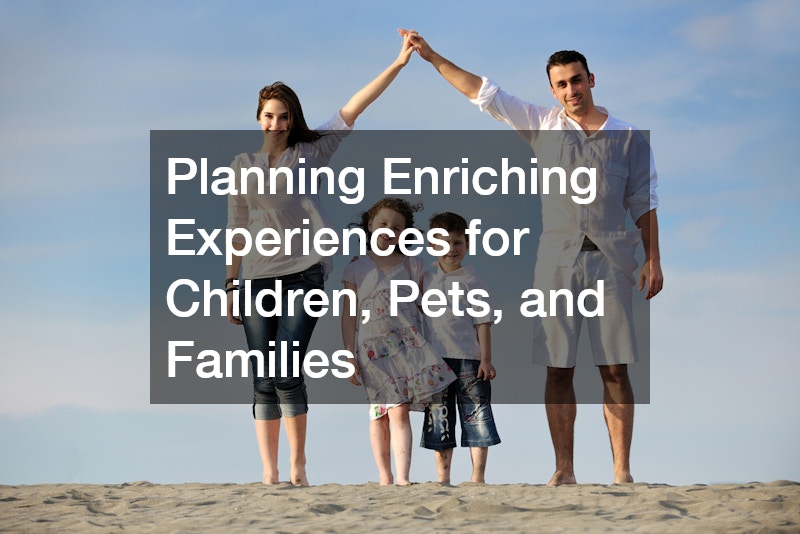

Creating meaningful experiences for children, pets, and families is about more than just filling the calendar or keeping everyone busy. It requires intention, creativity, and a clear understanding of each family member’s needs and interests. Thoughtful planning can strengthen bonds, foster personal growth, and create memories that last a lifetime. These experiences, whether a weekend outing, a carefully planned summer program, or a special family gathering, offer opportunities for learning, connection, and fun that engage everyone, mentally, physically, and emotionally.
The key is to balance structure with flexibility, providing activities that challenge and excite without causing stress or exhaustion. For children, it might mean introducing new hobbies, social environments, or educational adventures. For pets, it could involve mental stimulation, socialization, and exercise. And for families, shared activities create a sense of unity and joy that extends far beyond the moment. In this guide, we’ll explore practical, actionable strategies for designing enriching experiences that cater to every member of the household, ensuring each activity is memorable, rewarding, and meaningful.
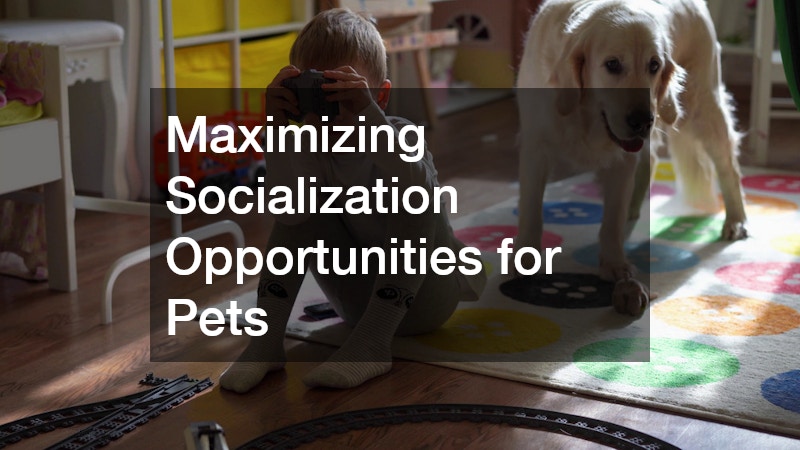
1. Maximizing Socialization Opportunities for Pets
Pets, especially dogs and cats, are social creatures who benefit from safe, structured interactions outside the home. Enrolling your furry friends in a pet daycare can provide them with mental stimulation, physical exercise, and opportunities to interact with other animals in a controlled and supervised environment. When evaluating a daycare, look for facilities that offer a variety of enrichment activities, such as agility courses, scent games, or puzzle toys designed to challenge and engage pets of different ages and energy levels. These programs help reduce boredom, destructive behaviors, and anxiety, while also supporting social skills, confidence, and overall well-being.
It’s also important to monitor how your pet reacts to new environments. Some pets may require a gradual introduction to group settings, starting with shorter sessions before moving to full-day programs. Additionally, ensure the daycare staff is trained in pet behavior management, first aid, and emergency procedures. Combining daycare visits with daily at-home interactive play, such as fetch, hide-and-seek, or gentle training exercises, ensures your pet’s mind and body remain engaged. Regular check-ins with the daycare team can help you tailor activities to your pet’s personality and energy level, creating a balanced and enriching routine that supports both emotional and physical well-being.
2. Cultivating Creativity Through Seasonal Workshops
Encouraging children to explore their creative potential is crucial for emotional and cognitive development. Participating in an art camp offers structured opportunities for children to experiment with different media, such as painting, sculpture, or digital art, while also developing problem-solving skills and self-expression. Look for camps that combine individual projects with collaborative exercises, allowing children to learn teamwork, share ideas, and gain inspiration from peers while expressing their personal vision. Camps that culminate in an exhibition or showcase give children a sense of accomplishment, pride, and confidence in their abilities, while also encouraging them to set new goals and continue exploring their artistic talents beyond the camp environment.
Parents can also support their child’s artistic growth by providing materials at home and encouraging regular practice. Pairing art camp participation with visits to local galleries or museums can deepen their understanding of art and expose them to a broader range of styles and techniques. Furthermore, integrating art-related discussions into daily routines—like storytelling inspired by a drawing—encourages creativity beyond formal settings. For children with varying interests, choosing a camp that offers multiple forms of artistic expression ensures that every participant finds a medium that resonates with them. Consistent engagement in art nurtures imagination, problem-solving skills, and self-confidence, making it an invaluable component of a child’s development.
3. Choosing the Perfect Location for Family Gatherings
Selecting the right venue is essential for creating enjoyable and memorable family events. Event venues with flexible layouts allow families to customize spaces according to the type of gathering, whether it’s an intimate birthday party, a large reunion, or a community celebration. When touring potential venues, consider factors such as safety, accessibility, and amenities for children and pets. Outdoor venues, like parks or gardens, offer space for active games and exploration, while indoor venues with adaptable seating and play areas provide comfort regardless of weather conditions.
Additional considerations include parking availability, restroom facilities, and the ability to accommodate catering and entertainment setups. Some venues may offer packages that include tables, chairs, and event coordination, which can simplify planning. Incorporating interactive elements such as scavenger hunts, craft stations, or pet-friendly play zones can engage attendees of all ages and ensure everyone participates. Visiting the venue ahead of time allows for proper layout planning, ensuring that activities flow smoothly. Ultimately, choosing a venue that matches your event goals and attendees’ needs provides a foundation for a fun, organized, and stress-free experience.

4. Encouraging Healthy Habits Through Group Exercise
Physical activity is essential for both children and adults, and creating family-friendly fitness routines encourages long-term healthy habits. Joining a fitness club that offers programs for all ages provides access to structured classes, recreational sports, and exercise equipment suitable for varying skill levels. Look for clubs that offer parent-child workouts, swimming lessons, or yoga sessions, as these can make exercise fun and interactive while promoting bonding.
To make fitness a sustainable habit, establish a consistent schedule that balances structured workouts with free play, outdoor activities, and family challenges. Encourage participation by setting achievable goals, tracking progress, and celebrating milestones together. Integrating fitness into daily routines, such as walking or biking to school, taking the stairs, or engaging in active games, reinforces the idea that movement is enjoyable, not a chore. Additionally, teaching children about the importance of proper nutrition, hydration, and rest alongside exercise ensures a holistic approach to health. By prioritizing family fitness, parents model positive behaviors that children are likely to carry into adulthood.
5. Simplifying Celebrations with Expert Coordination
Organizing parties and special events can quickly become overwhelming, especially when balancing multiple responsibilities. Working with professionals in Party Planning helps streamline logistics, minimize stress, and create a seamless experience. Party planners often provide access to trusted vendors, custom décor, and entertainment options, while handling scheduling, budgeting, and coordination details. This allows hosts to focus on enjoying the event rather than managing last-minute challenges.
Effective planning also involves understanding the specific needs and interests of attendees. For children’s parties, consider interactive games, themed activities, and safe play zones. For family gatherings, balance adult-friendly activities with kid-friendly options to ensure everyone is engaged. Including unique experiences, such as DIY crafts, performance acts, or photo booths, adds a memorable touch. Clear communication with planners regarding dietary restrictions, accessibility needs, and timing ensures the event runs smoothly. By delegating coordination tasks to professionals, families can enjoy meaningful connections and stress-free celebrations that leave lasting memories for all participants.
6. Selecting a Safe and Stimulating Environment for Young Children
A nurturing environment lays the foundation for children’s academic, social, and emotional growth. When choosing a daycare center, prioritize facilities with well-trained staff, low caregiver-to-child ratios, and structured enrichment programs. Observing how educators interact with children can provide insight into their approach to discipline, learning, and social development. Facilities offering a mix of play-based and educational activities foster curiosity and cognitive skills.
Parents can supplement daycare learning by engaging in complementary activities at home, such as reading together, exploring nature, or practicing problem-solving games. Creating routines that balance structured and free play supports consistency and emotional security. Additionally, open communication with daycare staff allows parents to address developmental concerns or tailor experiences to the child’s individual strengths. Evaluating safety protocols, cleanliness, and emergency preparedness ensures peace of mind. Selecting a daycare that emphasizes creativity, exploration, and socialization promotes well-rounded growth and prepares children for future learning environments.
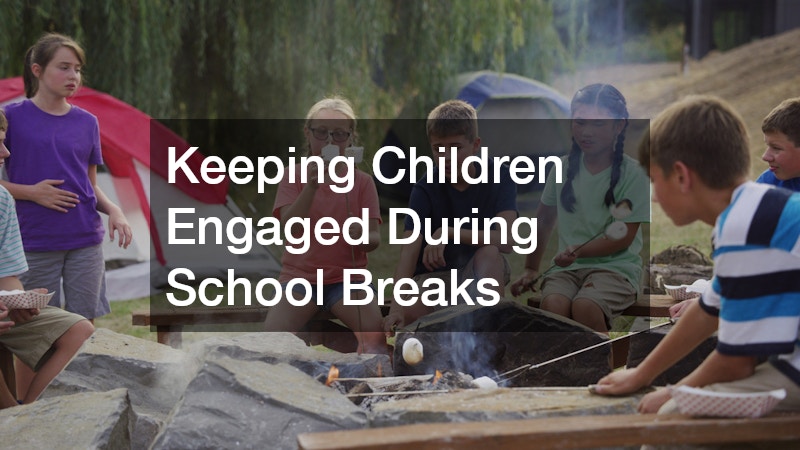
7. Keeping Children Engaged During School Breaks
School breaks can present challenges in keeping children engaged, stimulated, and active. Enrolling them in summer programs provides a structured, educational, and social environment during these periods. Programs combining outdoor adventure, STEM activities, arts, and team sports expose children to a range of interests and help develop diverse skills. Selecting programs with certified instructors and low participant-to-staff ratios ensures children receive adequate attention and support.
Parents can enhance the experience by discussing program objectives, helping children set personal goals, and reflecting on their accomplishments afterward. Preparing children with necessary supplies, comfortable clothing, and schedules encourages a smooth transition. Additionally, consider programs that foster independence and socialization, allowing children to build confidence, resilience, and friendships. Rotating activities or attending multiple programs prevents monotony while maintaining engagement. Thoughtful selection and preparation ensure that summer breaks are not only fun but also intellectually and emotionally enriching for every child.
8. Designing Meaningful Daily Experiences for Little Ones
Structured yet flexible daily routines provide young children with stability, growth opportunities, and enjoyment. Designing activities for young children that integrate learning, play, and exploration promotes development across multiple domains. Incorporating arts and crafts, sensory play, storytelling, music, outdoor play, and simple science experiments keeps children engaged while stimulating cognitive, motor, and emotional skills.
Parents can rotate activities to maintain novelty, using household items creatively to foster curiosity. Group activities, such as cooperative games or interactive storytelling, teach social skills, patience, and teamwork. Regularly observing progress and celebrating achievements—like mastering a new skill or completing a challenging task — builds confidence and motivation. Scheduling quiet time and active play periods throughout the day ensures a balanced routine that supports both mental and physical well-being. By intentionally planning daily experiences, caregivers can create an environment where children feel supported, stimulated, and empowered to explore their world.
9. Elevating Gatherings with Quality Food Options
Food is a central component of family events and community gatherings, and thoughtful planning enhances the overall experience. Partnering with professional catering services ensures that menus are diverse, accommodating dietary restrictions and preferences while reducing host stress. Choose services that offer kid-friendly options, health-conscious choices, and interactive elements like build-your-own stations, which encourage participation and enjoyment.
Coordinating food timing with event activities maintains energy levels and prevents long lulls. Displaying food attractively and labeling items with ingredients promotes inclusivity and awareness. For family gatherings, including culturally significant dishes or themed menus adds a personal and memorable touch. Additionally, consider presentation logistics, such as buffet flow, serving stations, and seating arrangements, to ensure smooth service. By integrating high-quality catering thoughtfully, hosts can elevate the event experience, keeping guests satisfied, engaged, and connected throughout the celebration.

10. Nurturing Confidence Through Performing Arts
Performing arts provide children with a platform to develop communication skills, creativity, and self-assurance. Participating in musical theater classes teaches collaboration, memorization, and emotional expression through acting, singing, and movement. Classes that culminate in public performances give children the opportunity to celebrate their achievements and receive positive reinforcement, boosting confidence and self-esteem.
Parents can support learning by attending rehearsals, encouraging practice at home, and celebrating progress milestones. Combining musical theater with other creative outlets, such as dance or visual arts, provides a well-rounded artistic experience. Participation also strengthens social skills, teaching children how to work in groups, resolve conflicts, and respect others’ contributions. Exposure to performing arts cultivates empathy, imagination, and resilience, making it a valuable part of personal growth. Engaging children in performance opportunities allows families to witness growth firsthand, fostering pride and connection through shared experiences.
Planning enriching experiences for children, pets, and families requires intentionality, creativity, and organization. It goes beyond simply filling a schedule; it involves thoughtfully selecting activities that foster growth, connection, and joy. By incorporating experiences that promote socialization, physical fitness, creativity, and meaningful engagement, families can create opportunities for learning, personal development, and shared memories that last a lifetime. Carefully choosing the right environments, such as safe outdoor spaces, specialized programs, or community-focused venues, ensures that each activity meets the needs of everyone involved.
Expert guidance, whether through instructors, program coordinators, or planners, can provide structure, resources, and innovative ideas that elevate ordinary experiences into truly memorable ones. Moreover, balancing structured activities with moments of free exploration encourages spontaneity, curiosity, and emotional growth. When families intentionally design experiences that engage all members — young and old, human and pet alike — they create not just enjoyable outings, but transformative opportunities that strengthen bonds, build confidence, and leave lasting positive impacts on everyone involved.