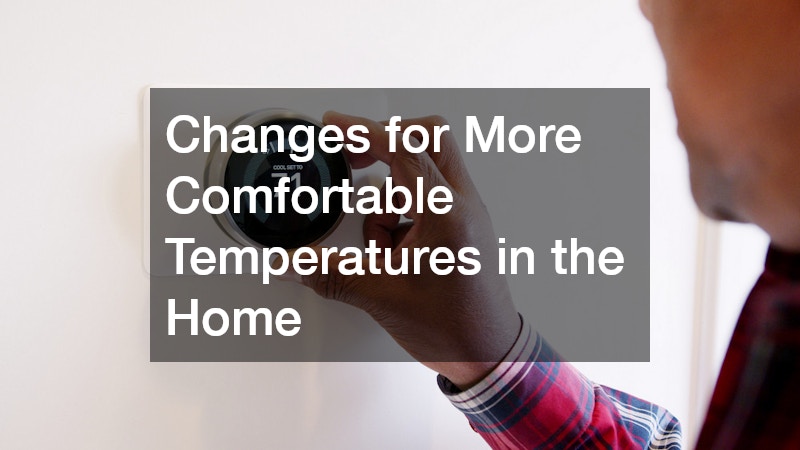

The exterior envelope of a living space is the primary barrier against seasonal weather extremes. When exterior access points leak conditioned air, internal climate regulation becomes an uphill battle. Modern upgrades to structural entryways can yield dramatic improvements in indoor thermal stability, eliminating annoying drafts and keeping utility bills predictable throughout the year.
Upgrading Exterior Entryways
Older entry barriers often warp, shrink, or degrade over time, creating gaps where drafts freely pass. Selecting a door replacement constructed from insulated fiberglass or steel with a polyurethane foam core drastically reduces thermal transfer. Professional installation ensures that the frame is perfectly square and sealed with high-grade exterior caulk. Completing a full door replacement prevents conditioned air from escaping while keeping scorching summer heat and bitter winter cold firmly outdoors.
In addition to replacing the slab itself, upgrading the threshold and weatherstripping around entry points plays a crucial role in thermal defense. High-performance magnetic seals and adjustable bottom sweeps seal the narrow gaps that open up as houses settle over time. Taking time to properly flash and insulate the rough opening around door frames ensures that cold air cannot infiltrate through surrounding wall cavities.
Optimizing Window Coverings
Glass panes are notorious vectors for radiant heat transfer. Incorporating thermal window treatments, cellular blinds, shades, or heavy drapes adds an adjustable boundary layer that traps static air against the glass surface. Installing thick window shades lets homeowners manually manage solar heat gain by blocking intense afternoon sunlight in summer while trapping indoor heat during chillier seasons.
Beyond standard interior coverings, exterior window treatments offer an additional layer of thermal protection. Exterior roller shutters and awnings block solar radiation before it ever reaches the glass pane, significantly lowering cooling demand on hot sunny days. Pairing interior cellular blinds with exterior shading systems creates a multi-layered barrier that keeps window glass cool to the touch regardless of outdoor weather.
Thermal Efficiency Behind Walls and Ceilings
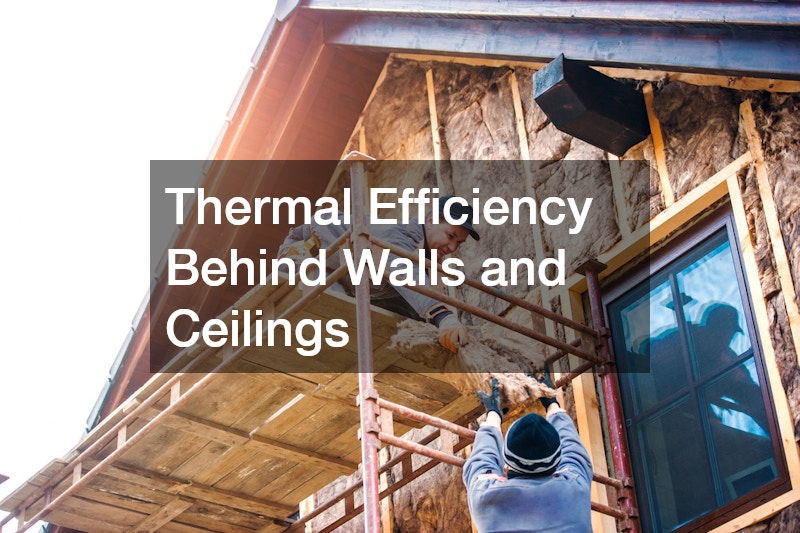
While visible fixtures draw immediate attention, the space behind drywalls and above ceiling panels dictates the baseline climate of a residence. Without proper barrier materials, warmth naturally migrates toward colder spaces, creating uncomfortable drafts and hot spots that ruin indoor comfort.
Upgrades for Upper Level Insulation
Attics act as massive thermal sponges, soaking up summer sun or venting indoor warmth straight out through the roof during winter. Adding blown-in cellulose or thick fiberglass batts across the floor of an upper attic space prevents heat from migrating into lower living areas. Hiring reputable attic insulation companies ensures that air gaps around recessed lights, chimneys, and plumbing stacks are completely filled before fresh thermal barriers are laid down.
In unvented attic designs, insulating along the roof rafters rather than the attic floor transforms the upper space into a conditioned envelope. Spray foam application along the underside of the roof deck prevents thermal storage in structural decking and framing members. This approach reduces temperature extremes in attic spaces, making any top-floor rooms or ceiling-mounted mechanical systems run far more efficiently.
Sealing Structural Wall Cavities
Exterior walls can leak enormous amounts of energy if their interior cavities lack dense thermal packing. Retrofitting wall cavities with dense-pack blown fiberglass or injected foam stabilizes indoor wall temperatures, eliminating the cold wall effect during winter months. Scheduling a consultation with an experienced home insulation company allows homeowners to identify hollow wall spaces and remediate thermal bridging across stud framing.
When wall cavities are adequately insulated, air movement within the framing stops, eliminating convective currents that carry heat through exterior structures. Adding continuous rigid foam board on the exterior exterior sheathing during re-siding projects further stops thermal bridging through wooden studs. This dual approach ensures that wall surface temperatures match indoor air settings closely.
Preserving Core Structural Integrity
When planning extensive structural renovations, thermal performance must be integrated from the foundation up. Working with a top-rated home construction company guarantees that modern air barriers, house wraps, and high-performance framing techniques are incorporated into the building design to ensure long-term climate stability.
Structural integrity goes beyond sturdy load-bearing walls; it encompasses the continuous air barrier that protects the living environment. Advanced framing techniques leave ample room for thick insulation layers while reducing solid timber paths where heat can bleed out. Ensuring that foundation sills and rim joists are air-sealed protects the baseline of the structure from low-level cold air infiltration.
Air Distribution and Ductwork Care
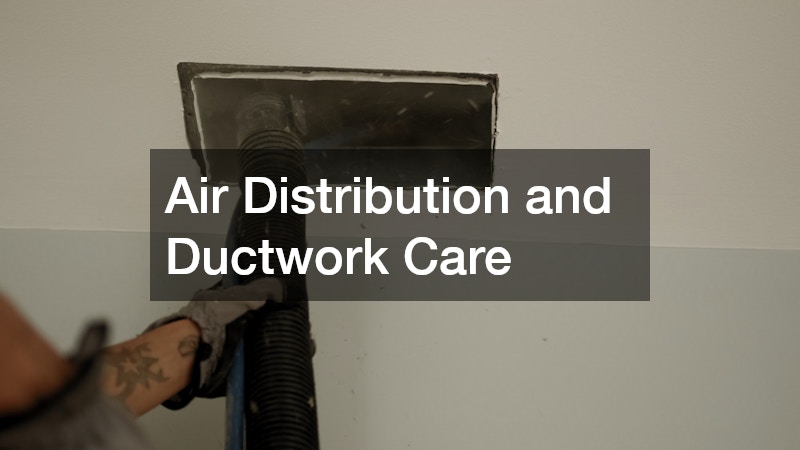
Generating conditioned air is only half the battle; distributing that air evenly across every room requires an airtight delivery network. Misaligned or uninsulated channels waste massive amounts of thermal energy before air ever reaches a vent.
Redesigning Air Conveyance Channels
Over decades, flexible ducts can sag, crack, or pull away from metal branch junctions, allowing conditioned air to spill uselessly into crawl spaces and unconditioned attics. Undertaking a complete duct installation allows technicians to design balanced delivery runs, optimize return air paths, and seal all seams with fiber-reinforced mastic to guarantee maximum airflow velocity and uniform temperature delivery.
Proper sizing of conveyance channels is just as critical as sealing leak points. Unsized or poorly routed duct lines increase static pressure in the system, forcing blowers to work harder while delivering weak air movement to distant bedrooms. Smooth, metal trunk lines wrapped in external insulation offer minimal resistance to air movement, maximizing energy delivery across all levels of a multi-story layout.
Balancing Room Air Velocity
Uneven temperatures across different rooms usually point to static pressure imbalances in the air delivery network. Installing adjustable dampers within supply trunks lets homeowners tweak airflow volume to match specific seasonal needs, ensuring upstairs bedrooms receive adequate cooling during peak summer months.
Dedicated return air vents in every bedroom prevent pressure imbalances that occur when bedroom doors are closed. When return air paths are restricted, rooms become pressurized, limiting the amount of fresh conditioned air that can enter. Jump ducts or transfer grilles installed above interior doorways allow air to circulate freely back to the central unit without compromising bedroom privacy.
Modern Equipment and System Selection

The mechanical heart of a home determines how effectively and economically indoor temperatures are maintained. Upgrading to modern, high-efficiency equipment changes home climate management from a constant struggle into an effortless automated routine.
Partnering for System Upgrades
Complex mechanical equipment requires specialized expertise for proper sizing, load calculation, and installation. Securing a certified HVAC contractor ensures that new mechanical systems are precisely calibrated for the specific square footage, layout, and climate zone of the building.
Improperly sized heating and cooling units cause frequent cycling, leading to high humidity levels and cold drafts. A proper manual load calculation takes into account window placements, insulation values, and room orientation rather than relying on crude floor area estimates. Proper matching of indoor evaporator coils with outdoor condenser units ensures peak operational capacity and maximum equipment lifespan.
Integrating High Efficiency Units
Standard heating and cooling systems operate on a basic on-or-off mechanism that causes wide temperature swings and high utility bills. Replacing obsolete machinery with modern energy efficient hvac systems introduces variable-speed compressors and modulating gas valves that run continuously at low power, creating a remarkably stable indoor environment while consuming significantly less power.
Variable-capacity systems adjust output in tiny increments to match real-time thermal losses, eliminating the uncomfortable temperature spikes typical of single-stage units. Combined with smart thermostats, these modern units monitor outdoor temperature trends and humidity levels, adjusting refrigerant flow automatically to maintain ultra-precise climate conditions in every room.
Maintenance for Uniform Climate
Regular maintenance prevents efficiency loss and mechanical failure, keeping environmental conditions consistent year after year. Enrolling in comprehensive residential hvac services provides routine filter changes, coil cleans, and system tune-ups that maintain maximum system performance through extreme weather cycles.
Dirty heat exchangers and clogged evaporator coils dramatically reduce thermal transfer rates, forcing compressor motors to pull excess electrical current while failing to cool or heat spaces effectively. Replacing standard air filters regularly prevents dust buildup on delicate fan blades, keeping air delivery velocity strong and consistent throughout every season.
Hot Water Efficiency and Radiant Comfort
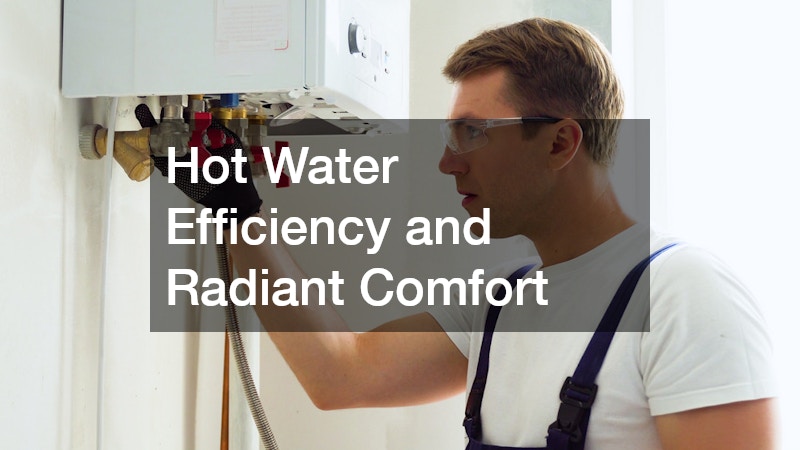
Temperature regulation extends beyond the air standard living spaces contain. Water heating systems play a subtle yet vital role in overall indoor comfort, particularly when integrated into radiant floor heating systems or domestic sanitation networks.
System Selection for Consistent Hot Water
Outdated storage tank water heaters struggle to deliver consistent temperature supply during peak demand times, leading to sudden cold spikes. Engaging a skilled water heater contractor enables homeowners to transition to modern tankless systems or hybrid heat pump water heaters, guaranteeing an uninterrupted supply of hot water while preventing standby heat loss in utility areas.
Tankless water heaters heat water instantly on demand, eliminating thermal standby losses associated with maintaining forty gallons of hot water overnight. Hybrid heat pump water heaters draw heat from surrounding air in utility rooms or basements to warm domestic water, providing the added benefit of dehumidifying and cooling utility spaces during hot summer months.
Insulating Water Transport Pipelines
Bare copper or PEX supply lines radiate heat into unconditioned basements and wall voids, forcing water heaters to work harder while causing delays in hot water delivery. Encasing exposed hot water pipes in polyethylene foam sleeves retains water temperature from tank to tap, improving instant thermal comfort at every fixture throughout the home.
Long plumbing runs often result in lost water and frustration while waiting for hot water to reach remote bathrooms. Installing a recirculating pump system paired with insulated lines keeps warm water moving continuously near fixtures. This eliminates cold water delay at the tap while conserving thousands of gallons of water annually.
Managing Radiant and Convective Heat Transfer
Comprehensive home climate control requires managing both radiant heat from surrounding surfaces and convective heat moving through air currents. Addressing surface temperatures directly creates a far more comfortable environment at lower thermostat settings.
Floor Insulation and Radiant Heat Barriers
Uninsulated floors over unheated crawl spaces or basements act as continuous heat sinks during winter, pulling warmth straight out of living areas through tile and hardwood floor surfaces. Adding rigid insulation panels or fiberglass batts underneath subflooring stops cold air migration from below, keeping floor surfaces warm underfoot. Warm floors eliminate cold ankle drafts and create a far cozy overall living experience.
For concrete slab foundations, adding peripheral insulation around the slab edge prevents ground cold from creeping inward toward living spaces. Thermal break insulation installed along subfloor edges stops perimeter heat loss, allowing carpeted and hardwood floors to maintain stable surface temperatures regardless of frozen ground outside.
Controlling Humidity for Perceived Temperature
Air humidity dictates how comfortable a given air temperature feels to human skin. High indoor humidity during summer prevents natural perspiration, making rooms feel hot and sticky even when air conditioning is running. Installing a dedicated whole-home dehumidifier controls humidity independently of cooling, allowing homeowners to set thermostats higher while enjoying better comfort.
Conversely, overly dry winter air speeds up skin moisture evaporation, making warm room air feel surprisingly cold. Integrated evaporative or steam humidifiers add controlled moisture to supply ducts, maintaining ideal winter relative humidity levels. Moist air holds heat better, keeping living spaces comfortable while protecting interior wood trim and floorboards from drying out.
Creating a cozy and consistently controlled living environment relies on taking an all-encompassing strategy toward residential performance. By pairing updated exterior barriers and dense structural insulation with balanced air channels and high-efficiency mechanical equipment, homeowners can permanently eliminate drafty zones and fluctuating indoor climates. Investing in these targeted structural and mechanical upgrades transforms any residence into an energy-smart sanctuary that provides reliable, year-round personal comfort.
Achieving optimal indoor comfort ultimately comes down to treating the entire house as an interconnected system rather than a collection of isolated parts. When high-performance building materials, airtight delivery channels, and modern mechanical systems work in harmony, they create a self-sustaining environment that easily resists seasonal weather extremes. Beyond immediate day-to-day comfort, these comprehensive structural updates reduce energy consumption, lower long-term utility costs, and enhance overall structural longevity. Taking proactive steps today ensures a healthier, quieter, and far more enjoyable living environment for many years to come.