
A safe, comfortable home gives families a dependable place to relax, grow, and spend time together. However, maintaining that environment takes more than occasional cleaning or fixing something after it breaks. Regular maintenance, thoughtful safety habits, and attention to the needs of every family member can help prevent problems before they become expensive or dangerous.
From checking essential home systems to creating safe spaces for children, there are many ways homeowners can protect their households. It is also important to think about safety beyond the walls of the home, including the schools, businesses, and services families rely on throughout the year. Taking a proactive approach can make everyday life more comfortable while reducing unnecessary stress and unexpected repairs.
Create A Regular Home Maintenance Routine
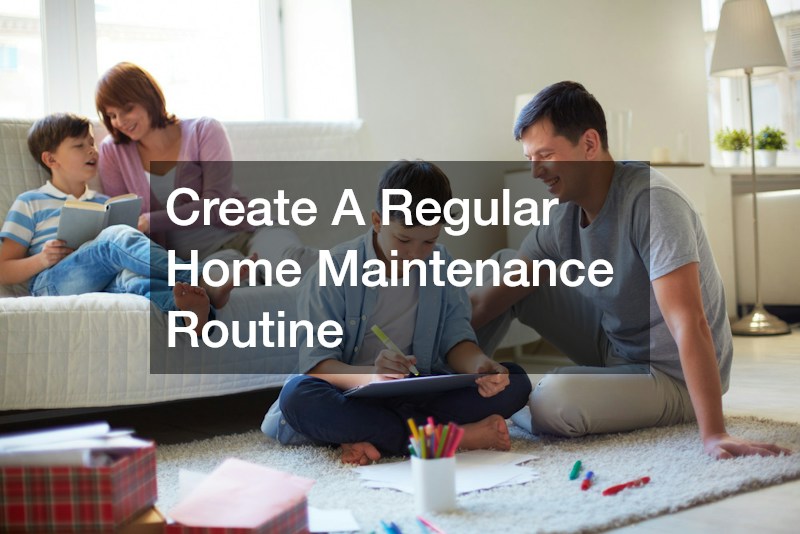
One of the easiest ways to keep a home in good condition is to establish a maintenance routine. Instead of waiting until something stops working, homeowners can inspect important areas regularly and address small concerns before they develop into larger problems.
A maintenance schedule can include checking windows and doors, inspecting appliances, cleaning filters, testing smoke and carbon monoxide detectors, and looking for signs of moisture. Seasonal maintenance is especially helpful because different parts of a home may need attention as temperatures and weather conditions change.
It can also help to keep a written or digital checklist. Record when major systems were inspected, when filters were replaced, and when repairs were completed. This makes it easier to remember recurring tasks and identify patterns that could indicate a developing issue.
Homeowners should also pay attention to areas that are easy to overlook. Attics, crawl spaces, basements, garages, and exterior structures can develop problems without immediately affecting everyday life. Periodic inspections can help catch moisture, pests, deterioration, or structural concerns before they become more disruptive.
Pay Attention To The Roof
A home’s roof is one of its most important protective features. It helps shield the family and belongings from rain, snow, wind, sunlight, and changing temperatures. Because roofing problems can sometimes begin with subtle warning signs, homeowners should make roof inspections part of their maintenance routine.
Missing or damaged shingles, dark patches, sagging areas, water stains, and visible deterioration can all warrant further attention. Homeowners should also inspect ceilings and upper walls for signs of leaks. A small water stain may indicate a problem that needs to be addressed before moisture causes additional damage.
When a significant concern is identified, a roofing contractor can evaluate the condition of the roof and determine whether repairs or additional work are appropriate. Professional attention can be particularly important after severe weather.
It is also wise to keep gutters and downspouts clear. Water that cannot properly drain away from the roof can contribute to moisture problems around the exterior of the home. Keeping drainage systems functioning properly is a relatively simple maintenance task that can protect multiple parts of the property. Call a team of roofers to ensure everything looks great.
Keep HVAC Systems Working Efficiently
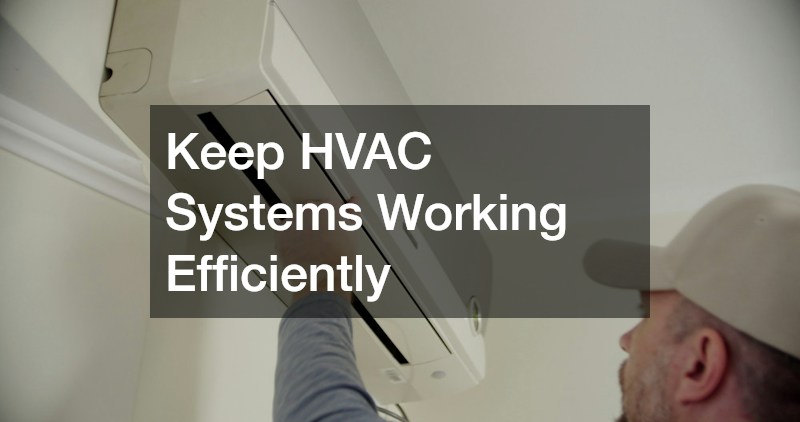
Heating and cooling systems affect both comfort and indoor air quality. Regular attention can help these systems operate efficiently and may make it easier to identify problems before a system unexpectedly fails during extreme weather.
Homeowners should replace or clean filters according to the manufacturer’s recommendations and keep vents free from furniture, boxes, and other obstructions. Outdoor components should also remain clear of leaves, grass, and accumulated debris.
Unusual sounds, inconsistent temperatures, weak airflow, or unexplained increases in energy use may indicate that a system needs professional attention. An HVAC contractor can inspect equipment, identify potential issues, and recommend appropriate maintenance or repairs.
Families should also know where their heating equipment, thermostats, and other important controls are located. Understanding how these systems operate can be helpful during an emergency and can prevent accidental damage caused by incorrect settings or attempts to make repairs without the appropriate knowledge.
Protect Your Home From Plumbing Problems
Plumbing issues can quickly disrupt a household. A small leak beneath a sink or behind an appliance may seem insignificant, but ongoing water exposure can contribute to damaged materials, mold growth, and costly repairs.
Check faucets, toilets, exposed pipes, and appliance connections periodically for leaks. Look underneath sinks and around water-using appliances for moisture or discoloration. Families should also avoid flushing inappropriate materials down toilets or putting grease and problematic substances down drains.
Knowing the location of the home’s main water shutoff valve is another important safety measure. If a pipe suddenly bursts or a major leak develops, turning off the water quickly can reduce the amount of damage.
For complex leaks, persistent drainage problems, or other serious concerns, a plumbing company can assess the system and determine what repairs are needed. Professional assistance can be especially valuable when the source of a leak is difficult to locate.

Make Child Safety A Priority
Children interact with their homes differently as they grow. A space that is safe for an older child may present risks for a toddler, so families should periodically reconsider their safety measures.
Young children may need outlet covers, cabinet locks, stair gates, window guards, and secured furniture. Cleaning products, medications, tools, and other potentially hazardous items should be stored somewhere children cannot easily access them.
As children become more independent, conversations about safety become increasingly important. Teach them how to respond to smoke alarms, what to do if they become separated from a parent, and why certain household items should not be handled without permission.
Families can also involve children in age-appropriate safety routines. Older children can learn how to identify emergency exits, contact emergency services, and locate important household information. These lessons can build confidence while helping children understand how to respond when something unexpected happens.
Choose Safe Childcare And School Environments
A family’s safety considerations do not stop at home. Children spend a significant portion of their day in childcare and educational environments, making it important for parents to consider the safety and quality of those settings.
Parents researching local private preschools can look at factors such as supervision, classroom organization, communication with families, emergency procedures, and the overall condition of the facility. Visiting a school can provide useful insight into whether the environment feels secure, welcoming, and appropriate for a child’s age.
As children move into an elementary school, their safety needs may change. Parents may want to understand arrival and dismissal procedures, transportation policies, visitor protocols, and how the school communicates during emergencies.
Families considering private middle schools may also evaluate how the school supports students as they become more independent. Clear policies, responsible supervision, and open communication can help families feel more confident about their child’s daily environment.
When comparing top private schools, parents can consider more than academics alone. A well-rounded decision can include the school’s approach to student safety, campus security, health procedures, transportation, and communication with parents.
Keep Electrical Systems And Appliances Safe
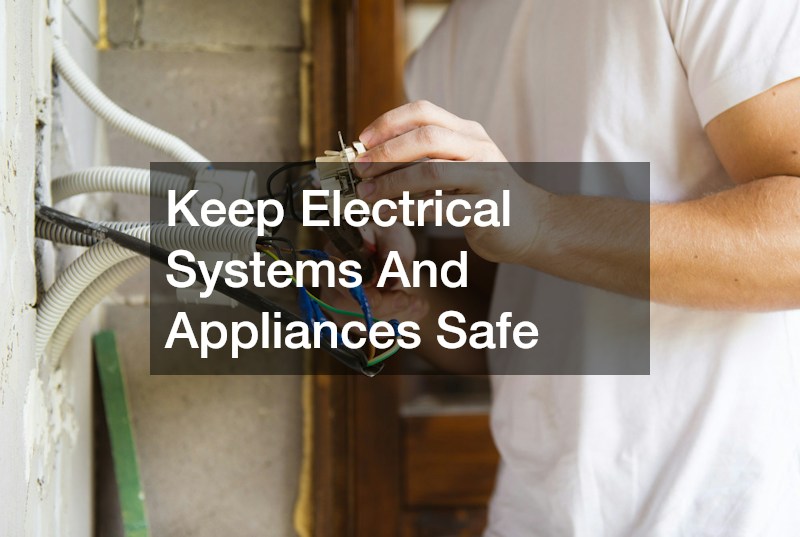
Electricity makes modern homes convenient, but electrical hazards can create serious safety risks. Families should watch for frayed cords, damaged outlets, flickering lights, frequent breaker trips, or unusual heat around electrical components.
Avoid overloading outlets or relying heavily on extension cords as a permanent solution. Children should also be taught not to insert objects into outlets or tamper with electrical devices.
Appliances deserve attention as well. Follow manufacturer instructions for installation and use, and keep combustible materials away from heat-producing equipment. Clothes dryers, ovens, space heaters, and other appliances should never be operated in ways that contradict their safety instructions.
If an electrical problem is persistent or unfamiliar, professional evaluation is safer than attempting a complicated repair without the necessary experience.
Reduce Slips, Trips, And Falls
Many household accidents can be prevented by keeping walkways clear and addressing small hazards promptly. Rugs that slide, loose flooring, cluttered stairs, and poorly lit hallways can increase the likelihood of falls.
Secure loose rugs, repair damaged flooring, and keep frequently used pathways free of boxes, toys, cords, and other obstacles. Stairways should have sturdy handrails, and outdoor walkways should be inspected for cracks or uneven surfaces.
Lighting is another important consideration. Make sure entrances, staircases, bathrooms, hallways, and outdoor paths are adequately illuminated. Motion-activated lighting can also make it easier to navigate exterior areas after dark.
Families with older relatives living in the home may want to take additional precautions. Grab bars, improved lighting, nonslip surfaces, and thoughtfully arranged furniture can make everyday movement easier and safer.
Maintain Outdoor Areas
A well-maintained yard can improve a home’s appearance while also reducing potential safety concerns. Regularly inspect trees for dead branches, maintain walkways, and keep outdoor play areas free from hazards.
Outdoor equipment should be checked periodically for loose components, deterioration, or damage. Grills, fire pits, and other heat-producing equipment should be positioned appropriately and used according to safety guidelines.
Homeowners should also consider how landscaping affects the property itself. Overgrown vegetation can obstruct pathways, interfere with exterior equipment, or make it harder to identify maintenance concerns. Keeping the yard manageable makes routine inspections easier.
Practice Safe Driving Habits
Family safety also extends beyond the property. Parents and other household members can reduce risk by making responsible driving a regular priority.
Avoid distracted driving, follow posted speed limits, use appropriate restraints, and never drive under the influence of alcohol or drugs. Teen drivers may benefit from clear household expectations around passengers, phone use, nighttime driving, and other potentially risky situations.
If a family member is facing legal concerns related to impaired driving, DUI attorneys can provide information about the applicable legal process and available options. More broadly, families can reinforce the importance of responsible decisions behind the wheel before problems occur.
Teaching children safe pedestrian and passenger habits is also important. Younger children should understand why seat belts and age-appropriate restraints are necessary, while older children can learn about crossing streets safely and remaining alert around traffic.
Keep Emergency Supplies Accessible
Every household should have basic supplies available in case of an emergency. A well-organized emergency kit can include flashlights, batteries, first-aid supplies, bottled water, shelf-stable food, necessary medications, chargers, and important contact information.
Families should also know how to respond to common emergencies. Discuss evacuation routes and establish a meeting place outside the home. Make sure smoke and carbon monoxide detectors are working and that household members know what the alarms sound like.
Important documents and emergency contacts should be stored somewhere accessible but secure. Families may also want to maintain copies of insurance information, medical contacts, and other essential records.
Maintain A Healthy Indoor Environment
Home maintenance is not only about preventing structural damage. Indoor conditions can affect comfort and overall household well-being.
Regular cleaning can help reduce dust and buildup, while proper ventilation can help manage moisture and odors. Bathrooms, kitchens, basements, and other areas exposed to moisture deserve particular attention.
Look for signs of mold, persistent condensation, water damage, or unusual odors. Addressing the source of a moisture problem is generally more effective than simply cleaning the visible symptom.
Bedrooms and shared living areas should also remain comfortable and uncluttered. A home that is organized and easy to navigate can make daily routines less stressful and reduce the likelihood of accidents.
Take Care Of The Whole Family
Family well-being includes personal care and healthy routines as well as home maintenance. Encouraging family members to take time for grooming, relaxation, exercise, and social activities can contribute to a balanced household routine.
For example, scheduling regular appointments at a hair salon can be a simple form of personal care and an opportunity for family members to set aside time for themselves. Small routines like these can be valuable when everyday responsibilities become demanding.
Parents can also encourage children to develop healthy habits appropriate for their age. Consistent sleep schedules, nutritious meals, physical activity, and time away from screens can support a household routine that feels more predictable.
Review Your Home And Family Safety Plans
Keeping a family safe and a home well-maintained is an ongoing process rather than a one-time project. Homes change, children grow, appliances age, and household needs evolve. Reviewing safety and maintenance plans periodically helps ensure that they continue to match the family’s circumstances.
Set aside time every few months to walk through the home together. Check for visible maintenance problems, test safety devices, review emergency plans, and identify areas that could be improved. Seasonal changes can provide useful reminders to inspect different parts of the property.
The most effective approach is proactive. Addressing a small concern today can help prevent a much larger problem later. By combining regular home maintenance with thoughtful safety practices, families can create an environment that supports comfort, security, and peace of mind throughout the year.
A safe family home is built through consistent attention to both the property and the people who live there. Regular inspections, responsible maintenance, child-focused safety measures, emergency planning, and healthy household habits can all contribute to a more secure living environment.
Rather than waiting for a major problem to force action, make safety and maintenance part of the family’s normal routine. Small efforts performed consistently can protect the home, reduce preventable risks, and help everyone feel more comfortable in the place they call home.