

Key Takeaways
- Research consistently shows that the richness of parent-child interaction matters far more than the raw number of hours spent together.
- A majority of mothers and a significant share of fathers report feeling stretched too thin at both home and the office, pointing to a widespread modern struggle.
- Setting firm digital boundaries protects relationships, because constant notifications from work bleed into personal hours and strain partnerships.
- Predictable rituals, even small daily ones, build emotional security in children more effectively than occasional grand gestures.
- Flexible scheduling and transparent communication with employers are among the strongest predictors of parental retention and satisfaction.
- Self-care is not optional; a depleted parent cannot sustain meaningful presence or patience with their kids.
- Dividing household responsibilities fairly between partners reduces resentment and frees up genuine connection time.
Why the Modern Parent Feels Perpetually Torn
If you’ve ever driven home from work rehearsing the apology you owe your kid for missing another soccer game, you’re not alone. The modern parent occupies a strange cultural moment. We are expected to be fully present breadwinners, deeply attuned caregivers, enthusiastic partners, and still somehow find twenty minutes to exercise. Something has to give, and usually it’s our sense of calm.
The data confirms what most parents feel in their bones. According to Pew Research Center, 67% of mothers and 50% of fathers said they couldn’t give their all at home, while 56% of mothers and 38% of fathers said the same about work. That’s a staggering admission from millions of adults. It tells us the problem isn’t personal failure. It’s structural, cultural, and worth examining honestly.
The good news is that decades of developmental research point in the same hopeful direction. Children don’t need parents who are available every second. They need parents who show up with intention, warmth, and consistency when it counts. Understanding that shift is the first real step toward relief.
What Science Actually Says About Quality Time
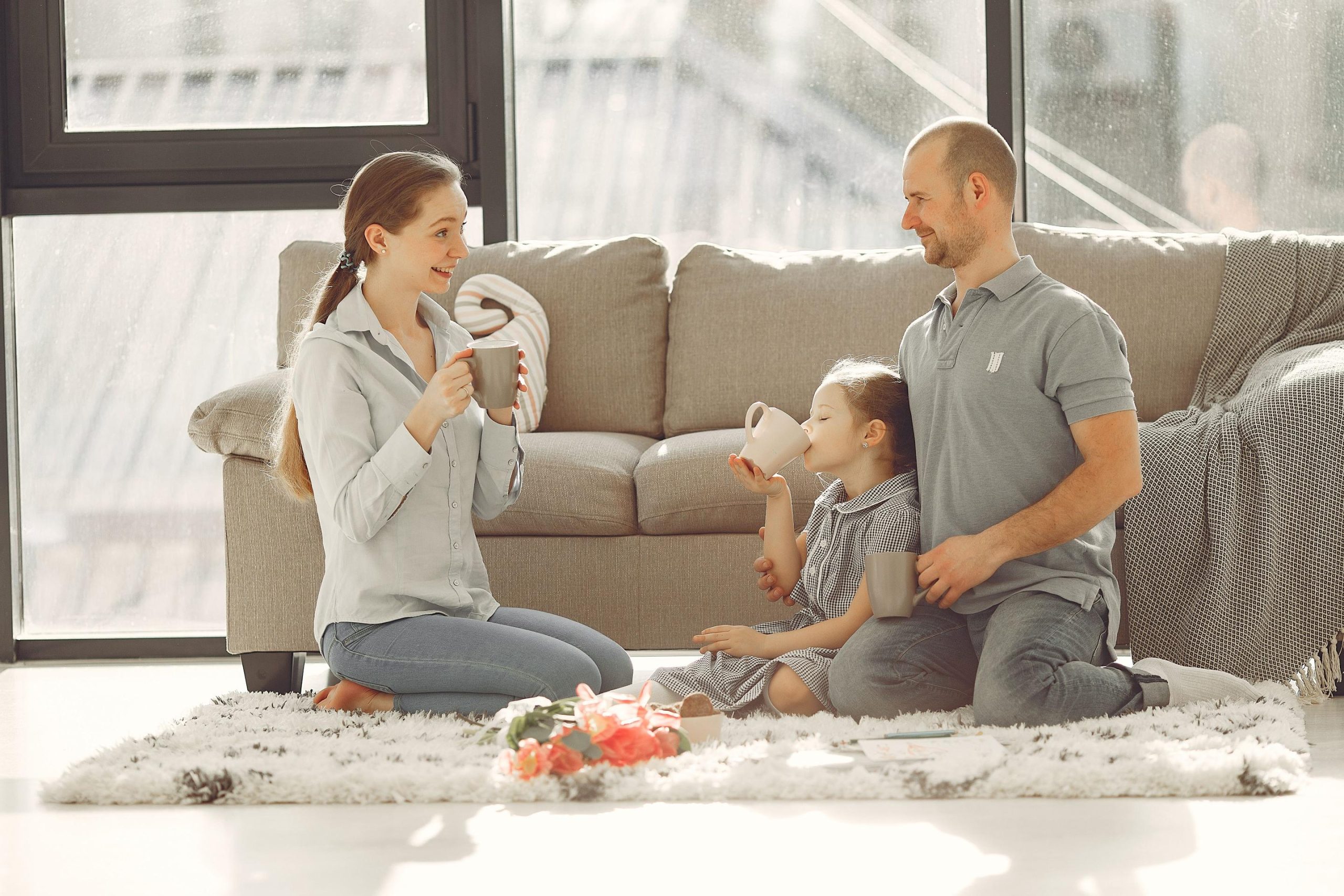
For years, parenting magazines pushed the idea that more hours equaled better outcomes. That assumption deserves a closer look. A landmark NICHD study, reported by HealthDay, found that the sheer quantity of time mothers spent with their children mattered less than the quality of those interactions. The quality of connection, not the clock, drives healthy development.
This finding reframes the entire guilt narrative. A parent who spends thirty focused minutes playing on the floor, asking open-ended questions, and genuinely listening is doing more for their child’s growth than a parent who is physically present for hours while mentally scrolling a phone. Attention is the currency of attachment.
Quality shows up in small, teachable moments. It’s the bedtime conversation about why a classmate was mean. It’s the slow car ride where you let your child steer the topic. It’s the Saturday morning pancake routine that feels like nothing but becomes everything in their memory.
How to Balance Work and Home Responsibilities Without Burning Out
The phrase itself sounds exhausting, which tells you a lot. Learning how to balance work and family life is less about achieving perfect equilibrium and more about accepting that the scales will tip. Some weeks the deadline wins. Other weeks the school play wins. The goal is not symmetry; it’s sustainability.
Start by auditing your week with honesty. Where does your energy actually go? Most parents discover that significant chunks of time vanish into low-value tasks, like compulsive email checking or passive scrolling. Reclaiming even an hour a day from these drains can transform your evenings.
Consider these grounding practices to protect your bandwidth:
- Define clear start and stop times for work, and treat them like doctor’s appointments
- Build a transition ritual between work and home, even if it’s just a ten-minute walk
- Schedule family activities on the calendar with the same seriousness as meetings
- Say no to optional obligations that don’t align with your top three priorities
- Batch errands and chores to free up longer stretches of uninterrupted family time
- Ask for help before you reach the breaking point, not after
The parent who protects their energy protects their family’s emotional climate. Everyone downstream benefits.
The Hidden Cost of Always-On Technology
The smartphone promised freedom. For working parents, it often delivers the opposite. The device that lets you leave the office at five also hands your boss a direct line into your dinner table. That tradeoff is reshaping family home life in ways we’re only beginning to measure.
Research from UNSW Business School found that constant digital interruptions when partners work from home increase after-work frustration and strain couples’ relationships, with women often carrying a heavier psychological load. The ping of a Slack message during bath time isn’t neutral. It fragments attention and signals to everyone present that they’re not the priority.
Creating Digital Sanctuaries at Home
Designating tech-free zones and windows is one of the highest-leverage moves a modern family can make. Try keeping the dinner table phone-free, or declaring the hour before bed a no-screen zone for everyone, parents included. Children notice when adults follow the rules they set. Modeling restraint teaches it far more effectively than lectures.
Another underrated tactic is turning off non-essential notifications entirely. Most alerts are not urgent. Batch-checking email three times a day rather than reacting to every ping gives your brain the recovery time it craves and your children the undivided attention they deserve.
Why Rituals Matter More Than Grand Gestures
Expensive vacations and theme park trips make for great photos, but they’re not what builds the bedrock of childhood security. Small, repeated rituals do that work. Children thrive on predictability because it teaches their nervous systems that the world is safe and that caregivers can be counted on.
Think about the rituals that already exist in your household, even informal ones. The Sunday morning cartoons. The silly handshake before school drop-off. The way you always read two books before lights-out. These small anchors matter more than you might realize.
Consider building out a few intentional rituals you can sustain:
- A weekly family meeting where everyone shares a high and a low from the week
- One-on-one time with each child for a set activity, even just fifteen minutes
- A shared meal at least a few times per week with phones away
- A bedtime routine that includes conversation, not just logistics
- A weekend tradition that costs nothing, like a neighborhood walk or baking together
Rituals also provide something parents desperately need: a default plan. On the nights you’re too tired to be creative, the ritual carries the connection for you.
How Workplace Flexibility Changes Everything
Not all pressure is self-inflicted. The structure of your job plays an enormous role in how much presence you can bring home. Rigid schedules, unreasonable workloads, and a culture of after-hours messaging grind down even the most intentional parent.
The data on this is striking. According to SurveyMonkey, women with children under 18 are more likely to stay in a role for its work-life balance than those without children, and 40% of women who quit or considered quitting over the past year cited the desire for better balance. Employers who still treat flexibility as a perk rather than a retention strategy are losing talent they can’t easily replace.
Advocating for What You Need at Work
If you have any leverage with your employer, use it. Ask for compressed workweeks, hybrid arrangements, or shifted hours that let you handle school pickups. Frame requests around outcomes and reliability, not personal need. Managers respond better to productivity arguments than to pleas.
If you’re job hunting, treat flexibility as a core criterion rather than a nice-to-have. Ask specific questions during interviews about expectations around evening availability, vacation norms, and how parents actually fare on the team. The answers reveal the culture faster than any mission statement.
Sharing the Load With a Partner or Co-Parent
One of the most predictable sources of parental burnout is uneven distribution of invisible labor. This includes the mental tracking of pediatrician appointments, permission slips, birthday party RSVPs, and whether anyone remembered to defrost the chicken. When one partner carries it all, resentment builds quickly.
Having an explicit conversation about division of responsibilities is uncomfortable but necessary. Vague agreements like “we’ll both pitch in” tend to collapse under real-world pressure. Specific ownership of specific tasks works better. One parent owns morning routines, the other owns bedtime. One handles medical, the other handles school communication. Trade when needed, but name who’s accountable.
This kind of coordination becomes especially important during high-stress transitions. Whether you’re navigating a new job, a baby, or a cross-country move, having a shared playbook reduces chaos. For families facing a relocation, practical moving with children tips can help the whole household feel steadier during the upheaval.
Co-parents who live apart face a different version of the same challenge. Shared calendars, clear handoffs, and consistent rules across households give kids a sense of coherence even when the adults are no longer together. The children benefit when the logistics feel seamless, not when the parents pretend to agree on everything.
Protecting Your Own Well-Being as a Parent
There’s a reason flight attendants tell you to secure your own oxygen mask first. A parent running on four hours of sleep, skipped meals, and no social connection cannot bring their best self to their children. Self-care isn’t indulgence; it’s infrastructure.
The version of self-care sold on social media often misses the point. You don’t need a spa day. You need baseline recovery: sleep, movement, nutrition, friendships, and some flicker of a creative outlet. These aren’t luxuries. They’re what makes sustained parenting possible.
Try protecting a few non-negotiables:
- A consistent sleep window, even on weekends
- Some form of daily movement, however brief
- Weekly contact with a friend who isn’t your spouse or coworker
- A hobby or interest that belongs only to you
- Regular check-ins with a therapist or trusted mentor if stress runs high
Parents who model well-being teach their children that adulthood is something worth looking forward to. That lesson lands without a single word being spoken.
Letting Go of Perfectionism
A quiet saboteur of parental peace is the belief that every decision carries enormous consequences. It doesn’t. Children are resilient, and most moments are forgiving. The meal that came from a box, the forgotten library book, the cranky response you later apologized for—none of these will define your child’s development.
Perfectionism often masquerades as high standards, but it functions as a thief. It steals your attention from what’s actually in front of you by keeping your mind busy auditing what you should have done differently. Letting go of the imagined ideal frees you to enjoy the real family you already have.
Building an Environment That Supports Presence

The physical space you live in shapes how easily connection happens. Cluttered rooms, broken appliances, and chronic disorganization create a low hum of stress that drains the energy you’d rather spend on your kids. Investing a little attention in the household itself pays dividends in mood and patience.
This doesn’t require a renovation. It can be as simple as decluttering the entryway so mornings flow more smoothly, or creating a cozy corner where reading together feels inviting. Practical home safety tips also matter here, because a household that feels secure physically is one where everyone can relax emotionally.
Think about traffic patterns in your home. Where do people naturally gather? Where do conversations tend to happen? Reinforcing those spots with comfortable seating, good lighting, and minimal distractions quietly encourages the kind of casual connection that strengthens relationships over time.
When to Seek Outside Support
Sometimes the balance tips so far that no amount of self-help articles will restore it. Recognizing when you need outside help is a sign of strength, not weakness. Family therapists, parenting coaches, financial advisors, and even house cleaners can all be part of the support network that keeps a household functioning.
Watch for warning signs in yourself and your partner. Persistent exhaustion that doesn’t improve with rest, snapping at the kids over trivial things, feeling disconnected from the people you love, or dreading the next day before it starts—these are signals, not character flaws. Addressing them early prevents deeper problems later.
Community also matters more than most parents acknowledge. Neighbors who swap babysitting, friends who understand the chaos of a weeknight, extended family who show up for school events—these relationships lighten the load in ways no productivity hack can match. Invest in them when you can.
Conclusion
The pressure to be an extraordinary parent while holding down a demanding career is one of the defining challenges of this generation. It can feel relentless, and the guilt that accompanies it can be heavier than the schedule itself. But the research, the rituals, and the lived experience of countless families all point to the same reassuring truth: your children do not need more of you. They need the real you, present and engaged, for the moments that are already within reach.
Shifting from a quantity mindset to a quality mindset isn’t a trick or a shortcut. It’s a reorientation. It asks you to trust that consistent small acts of attention are building something sturdy, even when you can’t see the structure rising. The bedtime stories, the eye contact at dinner, the quiet car conversations—these accumulate into a childhood your kids will remember as warm, steady, and safe.
Give yourself permission to redefine success at home on your own terms. Protect your energy, share the load, and invest in the rhythms that make presence possible. The balance you’re seeking isn’t a destination you’ll arrive at one day. It’s the result of a thousand small choices to show up well, and you’re more capable of making them than you think.