
For many families, the idea of moving to a rural property represents more than just a change of scenery—it’s a shift in lifestyle. Open space, privacy, and a closer connection to nature offer a sense of control and independence that’s hard to replicate in urban settings. However, rural living also comes with unique responsibilities that require planning and adaptability. It’s a transition that rewards preparation and a willingness to learn new skills over time.
Building and managing a rural property involves more than simply purchasing land and constructing a home. From infrastructure and utilities to land management and seasonal upkeep, every decision plays a role in long-term success. Families who thrive in rural environments tend to approach their property with both intention and flexibility.
This guide breaks down the key components of rural homeownership into practical, manageable steps. Whether you’re in the early planning phase or already living on acreage, understanding these fundamentals will help you build a property that supports your family’s needs for years to come.
Why More Families Are Trading City Life for the Country

Rural living has become increasingly appealing to families seeking a slower, more intentional pace of life. With fewer distractions and more space to grow, many find that the countryside supports stronger family connections and healthier routines. The ability to spend more time outdoors and less time commuting is a major draw. For many, this shift also reflects a desire to prioritize well-being over convenience.
The rise of remote work has made it easier than ever to relocate without sacrificing career opportunities. Families can now prioritize lifestyle without being tied to a specific geographic area for employment. This flexibility has opened the door for more people to consider rural living as a viable option.
Another factor influencing this trend is the rising cost of urban living. Housing prices, taxes, and daily expenses in cities continue to climb, pushing families to consider more affordable alternatives. Rural properties often offer more land and flexibility for the same investment. This financial advantage allows families to allocate resources toward improvements, education, or long-term savings.
That said, the transition isn’t without challenges. The first year often involves a steep learning curve as families adjust to maintaining larger properties and handling systems independently. Understanding what to expect ahead of time can make the shift smoother and more rewarding.
Choosing the Right Land for Your Family’s Needs
Selecting the right piece of land is one of the most important decisions you’ll make. Factors like soil quality, drainage, and access to water sources all influence how usable and sustainable the property will be. Evaluating these elements early helps ensure the land aligns with your long-term goals. A careful selection process can prevent costly limitations after you’ve already committed.
Zoning laws and deed restrictions can significantly impact how you use your property. Some areas limit livestock, outbuildings, or even certain types of fencing. Reviewing these regulations before purchasing prevents costly surprises down the road.
During a walkthrough, pay close attention to potential red flags. Signs of poor drainage, erosion, or limited access can create ongoing challenges. A thorough inspection allows you to address concerns before committing to the investment.
Accessibility is another key consideration that is often overlooked. Proximity to main roads, schools, healthcare, and supply stores can significantly impact daily life. While privacy is appealing, complete isolation can create logistical challenges. Balancing seclusion with convenience ensures your property remains practical for long-term living.
Designing and Building Your Rural Home From the Ground Up
When it comes to construction, families often weigh the benefits of traditional builds against prefabricated options. A modular home can offer faster timelines and more predictable costs while still allowing for customization. This approach is especially appealing for those looking to move in quickly without sacrificing quality. It also provides flexibility for families who may want to expand or modify their home in the future.
Working closely with contractors ensures your home is designed with rural living in mind. Features like mudrooms, storage areas, and durable materials can make daily life more manageable. Clear communication during the planning phase helps avoid costly revisions later.
Permitting and timelines can vary widely depending on location. Understanding local requirements and building realistic schedules is essential for keeping your project on track. Budgeting for unexpected costs also provides a buffer that can prevent delays.
Site preparation is another critical step that directly impacts the success of your build. Clearing land, grading the site, and ensuring proper drainage all contribute to a stable foundation. Skipping or rushing this phase can lead to structural issues and costly corrections later. Investing time in proper preparation creates a solid base for everything that follows.
Setting up Utilities and Essential Infrastructure
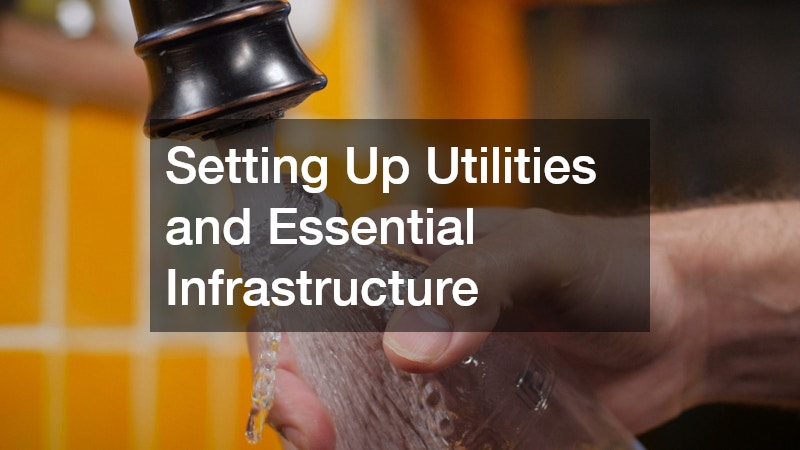
Access to water is a foundational requirement for any rural property. Partnering with a reputable well-drilling company ensures a reliable and safe water supply for your household. Proper placement and testing are critical to long-term functionality. Securing dependable utilities early helps avoid disruptions once you begin living on the property.
Heating options often differ from those in urban environments. Many rural homes rely on propane as an efficient and accessible fuel source. Choosing the right system depends on your climate, home size, and energy preferences.
Power management is another key consideration. Backup generators, solar panels, and battery systems can help maintain reliability in areas with inconsistent grid access. Planning ahead reduces the risk of disruptions during extreme weather or outages.
Waste management is another essential component of infrastructure planning. Septic systems must be properly designed and maintained to handle household needs efficiently. Understanding capacity limits and scheduling routine inspections can prevent system failures. A well-maintained setup protects both your property and the surrounding environment.
Weatherproofing and Energy-Proofing Your Rural Home
Preparing your home for changing weather conditions is essential in rural settings. Proper sealing, insulation, and ventilation help maintain comfort throughout the year. Addressing these elements early can prevent costly repairs later. A well-protected home is better equipped to handle seasonal extremes without added strain.
Working with experienced insulation contractors can significantly improve your home’s energy efficiency. These professionals can identify gaps and recommend upgrades that reduce heat loss. Investing in proper insulation pays off through lower energy bills and increased comfort.
Energy efficiency also contributes to long-term sustainability. Homes that retain heat in winter and stay cool in summer place less strain on heating and cooling systems. This balance supports both environmental and financial goals.
Windows and doors also play a significant role in energy performance. Upgrading to high-efficiency models can reduce drafts and improve indoor temperature stability. Proper installation ensures these components function as intended. Together, these improvements create a more resilient and cost-effective home.
Managing Water on Your Rural Property
Maintaining a reliable water system requires consistent attention. Pipes, septic systems, and drainage infrastructure must be monitored to prevent issues. Regular inspections help catch problems before they escalate. Proactive management reduces the likelihood of costly repairs and service interruptions.
Hiring a professional drain cleaning service can keep your system functioning properly. Routine maintenance prevents clogs and reduces the risk of backups. This proactive approach protects both your home and your property.
Efficient water use is especially important for larger properties. Implementing irrigation systems ensures that gardens and pastures receive adequate moisture without waste. Smart water management supports healthy land and reduces resource strain.
Water storage solutions can provide an added layer of security. Tanks and cisterns allow you to store water for use during dry periods or emergencies. This approach is particularly useful in areas with inconsistent rainfall. Having a backup supply ensures your household and land remain supported year-round.
Building Functional Outbuildings and Structures
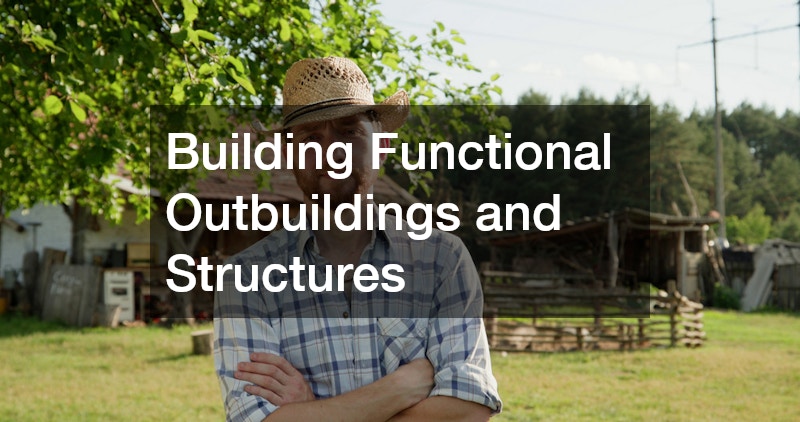
Outbuildings play a vital role in supporting rural life. Whether used for storage, livestock, or equipment, these structures need to be durable and well-designed. Choosing the right type ensures they meet both current and future needs. Investing in quality construction upfront can minimize maintenance demands over time.
A clear span building is a popular option for its versatility and open interior space. Without internal support columns, it allows for flexible use and easy adaptation. This makes it ideal for a wide range of agricultural and storage purposes.
Carefully planning placement can improve efficiency across your property. Positioning structures with access, drainage, and expansion in mind helps avoid complications later. Thoughtful design supports long-term functionality.
Ventilation and airflow are important considerations when designing these structures. Proper ventilation helps regulate temperature and reduce moisture buildup, which can damage materials or affect livestock health. Including these features during the planning stage improves functionality. It also extends the lifespan of your buildings.
Cultivating a Garden and Managing Your Land Naturally
Starting a garden is one of the most rewarding aspects of rural living. Healthy soil is the foundation of any productive garden, and using high-quality compost for sale can improve nutrient levels and structure. This investment supports stronger plant growth and better yields. Over time, a well-maintained garden can become a reliable source of fresh food for your family.
Natural pest control methods are an important part of maintaining a safe environment. Techniques like companion planting and beneficial insects reduce the need for chemicals. These strategies protect both your family and local ecosystems.
Composting systems further enhance sustainability. Recycling organic waste into usable material reduces landfill impact and enriches your soil. Over time, this process creates a self-sustaining cycle that benefits your entire property.
Crop rotation is another effective strategy for maintaining soil health. Rotating plant types each season helps prevent nutrient depletion and reduces pest buildup. This method supports long-term productivity without relying on chemical inputs. Consistent planning leads to more sustainable gardening practices.
Caring for Your Trees, Pastures, and Natural Spaces
Maintaining your land requires regular attention and effort. Tasks like mowing, pruning, and monitoring plant health help keep your property in good condition. Staying consistent with maintenance prevents larger issues from developing. A proactive approach also helps preserve the natural beauty of your surroundings.
For more complex or hazardous work, professional tree services can provide the expertise needed. Removing large or damaged trees safely requires specialized equipment and experience. Hiring professionals reduces risk and ensures proper care.
Managing invasive species is another important responsibility. These plants can quickly overtake native vegetation and disrupt ecosystems. Early identification and removal help preserve the natural balance of your land.
Soil health plays a major role in the success of your pastures and green spaces. Testing soil periodically allows you to adjust nutrients and improve growth conditions. Healthy soil supports stronger plants and more resilient ecosystems. This foundation contributes to the overall sustainability of your property.
Seasonal Routines for the Rural Family
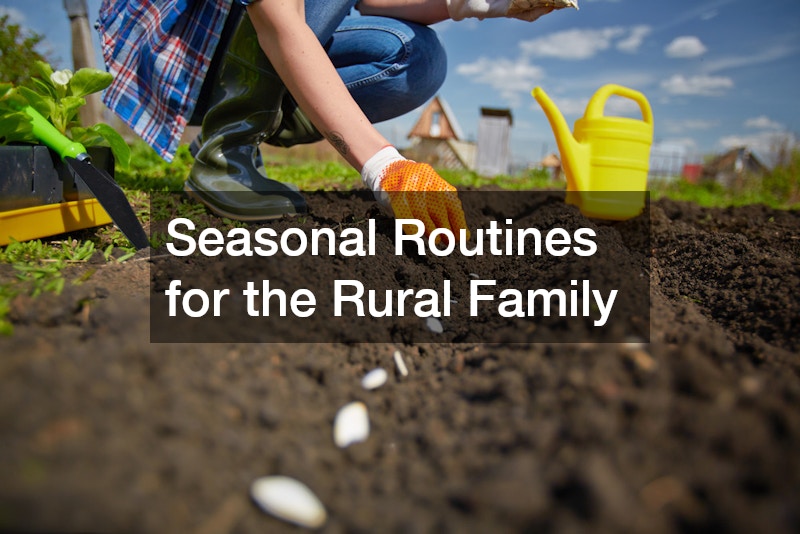
Establishing seasonal routines helps keep your property running smoothly year-round. Each season brings its own set of tasks, from preparing for winter to managing growth in the spring. Staying organized ensures nothing is overlooked. Consistency in these routines creates a more predictable and manageable workload.
Involving family members in daily and seasonal chores creates a sense of shared responsibility. Children can learn valuable skills while contributing to the upkeep of the property. This involvement strengthens both family bonds and work ethic.
Connecting with local resources and vendors can make rural living more manageable. From equipment suppliers to agricultural experts, having a reliable network provides support when needed. These relationships are often key to long-term success.
In some areas, families also explore sustainable solutions, like aeration windmill installations, to improve water quality and circulation. These systems can enhance ponds and support healthier ecosystems. Integrating such features adds both functionality and environmental value.
Building and managing a rural property is a long-term commitment that requires planning, adaptability, and consistent effort. While the responsibilities can be significant, the rewards often outweigh the challenges. Families gain independence, space, and a deeper connection to their surroundings.
Success in rural living comes from understanding your property and making informed decisions at every stage. From infrastructure and utilities to land management and seasonal routines, each element plays a role in the bigger picture. A proactive approach helps prevent problems and supports long-term sustainability.
Ultimately, rural living is about creating a lifestyle that aligns with your values and priorities. With the right strategies in place, your property can become a place of stability, growth, and lasting memories for your family.