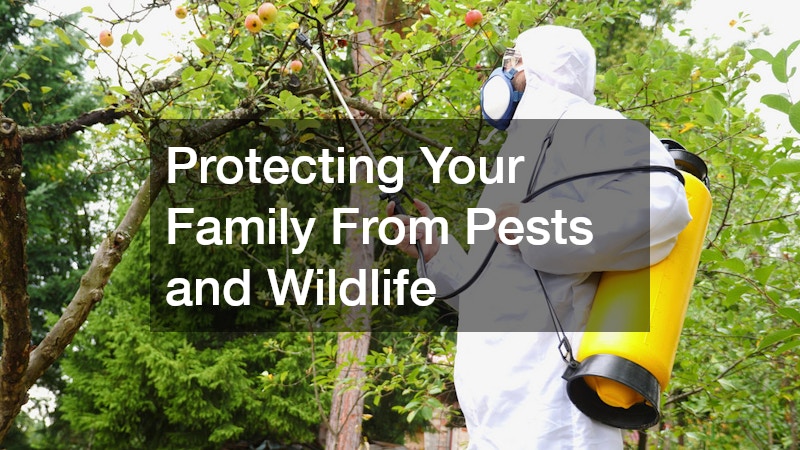

A home is meant to be a sanctuary—a place of safety, comfort, and health for your family. It is a personal retreat where you can unwind from the challenges of the day and rejuvenate your well-being. However, this sense of tranquility and peace can be easily disrupted by the silent encroachment of insects, rodents, and larger wildlife. These unwelcomed intruders can quietly invade your home, turning what should be a refuge into an unsettling environment.
Beyond the simple nuisance of a buzzing fly flitting around the room or a scurrying mouse darting across the floor, these biological invaders pose significant threats. They are not merely a minor inconvenience but carry substantial risks, ranging from the transmission of serious diseases like Hantavirus and Lyme disease to the destruction of the very structure of your house. For instance, rodents can chew through electrical wiring, leading to potential fire hazards, while termites can compromise the integrity of wooden frameworks.
Protecting your loved ones and safeguarding the structural integrity of your home requires more than a reactive approach like swatting flies or placing a few mouse traps. It necessitates a comprehensive, layered strategy that goes beyond immediate fixes and addresses the root of the problem. This involves habitat modification to make your surroundings less inviting to pests, physical fortification to seal entry points, and professional management for expert assistance and long-term solutions.
This guide explores how to transform your property into a fortress against unwanted guests through proactive maintenance and strategic planning. By adopting measures that include regular inspections, repairing or sealing cracks and crevices, maintaining cleanliness, and utilizing pest control professions when needed, homeowners can effectively build barriers against pests. This approach not only protects the health of inhabitants but also ensures that your home remains a safe, comforting, and healthy environment for you and your family.
The Perimeter Strategy: Securing the Exterior Landscape
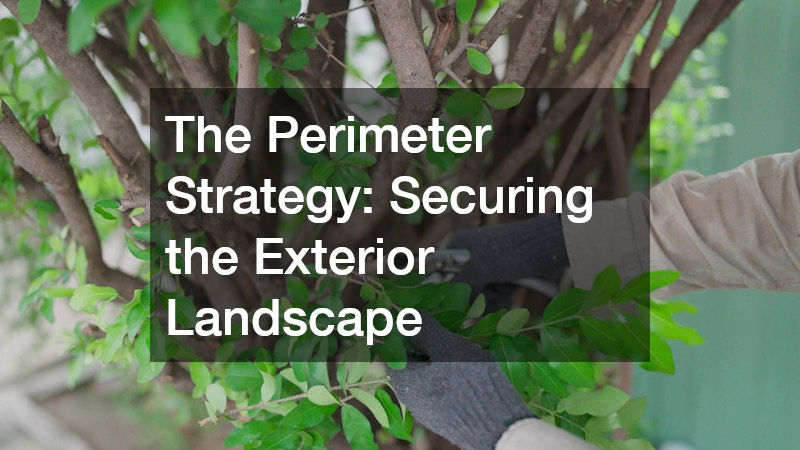
The first line of defense begins long before a pest reaches your front door. The environment surrounding your home acts as either a deterrent or an invitation. Wildlife, such as squirrels and raccoons, often use trees as launching pads to access your roof and attic. When branches hang over the roofline, they provide easy transit for creatures looking for a warm place to nest. Engaging professional tree services to trim back limbs at least six to ten feet from the structure is a vital preventative measure. This not only keeps animals off the roof but also prevents moisture-loving insects from using damp, shaded branches as a bridge to your siding.
Beyond the trees, the general layout of your greenery plays a pivotal role. Dense shrubs planted directly against the house create a “micro-climate” of moisture and darkness, which is the preferred habitat for ants, termites, and spiders. Professional landscaping services can help redesign your beds to include a “dry zone” between your plants and the foundation. By replacing mulch—which retains moisture and provides food for many insects—with decorative stone or gravel, you create a desert-like barrier that many pests are hesitant to cross.
- Maintain a 12-inch gap:nEnsure no vegetation touches the exterior walls.
- Gutter Maintenance: Keep gutters clear to prevent mosquitoes and wood rot.
- Smart Mulching: Use cedar mulch in areas further from the house, as its natural oils repel some insects.
- Debris Removal: Clear away leaf piles and fallen fruit, which serve as “buffets” for rodents.
Fortifying the Structure: Walls and Foundations
Once a pest reaches the exterior of your home, they look for the path of least resistance. Small cracks in a concrete slab or gaps in the brickwork are more than just cosmetic issues; they are open doorways for termites and ants. If you notice horizontal or vertical cracks in your home’s base, it is essential to consult foundation repair services. These specialists can seal the entry points that are otherwise inaccessible to the average homeowner, ensuring that subterranean pests cannot find their way into your floorboards or wall voids where they can do significant damage undetected.
Higher up the walls, your home’s cladding serves as its skin. Over time, wood can rot or vinyl can warp, creating small pockets where mice can squeeze through or wasps can build nests. Gaps around utility pipes and cable entries are notorious weak spots. Working with siding contractors to ensure that all exterior panels are tight and that any penetrations are properly flashed and sealed will significantly reduce the likelihood of an infestation. Metal mesh or specialized sealants should be used to close holes, as rodents can easily chew through foam or plastic.
Managing the Ground: Turf and Boundary Defense

The health of your lawn is directly linked to the pest pressure you face. A thin, patchy lawn with significant thatch buildup is an ideal breeding ground for grubs, which in turn attract digging animals like skunks and moles. By investing in lawn health services, you ensure that your grass is thick and resilient. A healthy root system and proper aeration reduce the insect population that serves as the primary food source for larger, more destructive wildlife. Furthermore, keeping the grass at a managed height reduces the habitat for ticks and fleas, which pose a direct threat to children and pets.
For larger intruders like deer, coyotes, or even stray dogs, physical barriers are often necessary to keep the immediate area around your home safe. High-quality fence installations can serve as a primary deterrent. For wildlife, a fence often needs to be more than just a visual boundary; it may need to be buried a few inches into the ground to prevent burrowing animals from gaining access. Choosing materials that are difficult to climb and ensuring there are no gaps at the bottom will help keep your backyard a private, safe space.
- Sub-surface barriers: Consider adding hardware cloth beneath fences to stop diggers.
- Gate Security: Ensure gates latch tightly and do not have large gaps at the base.
- Acoustic Deterrents: Use motion-activated lights or sound devices near fence lines for added security.
Professional Wildlife Management and Animal Control
Sometimes, despite our best efforts at prevention, a larger animal manages to take up residence. Finding a raccoon in the chimney or a family of squirrels in the soffits is a situation that requires specialized knowledge. Attempting to remove these animals yourself can be dangerous, as many carry rabies or aggressive parasites. This is where wildlife removal specialists become indispensable. These experts use humane trapping and relocation methods, and more importantly, they can identify the specific entry points that need to be “hardened” once the animal is removed to ensure no others take its place.
In urban or suburban environments, the line between wild animals and domestic threats can sometimes blur. If you encounter an aggressive stray dog or a wild animal acting strangely in a public area near your home, municipal animal control is the appropriate resource. Their primary focus is public safety and the management of zoonotic diseases within the community. Understanding the difference between a private specialist for your attic and a city officer for the street ensures you get the right help quickly without putting yourself in harm’s way.
Targeted Insect and Rodent Eradication
For the smaller, more persistent invaders like cockroaches, bed bugs, or silverfish, a systematic approach is required. Modern pest control services have moved away from the “baseboard spraying” of the past toward Integrated Pest Management (IPM). This involves a deep dive into why the pests are there in the first place, focusing on food sources and entry points before applying targeted, low-toxicity baits and gels. This method is much safer for homes with small children and pets.
When an infestation has already taken hold, the expertise of professional exterminators is often the only way to ensure the problem is solved at the source. They have access to commercial-grade tools and chemicals that are not available to consumers. More importantly, they understand the life cycles of different pests, knowing exactly when and where to treat to interrupt the breeding process. This prevents the “rebound” infestations that often occur with over-the-counter DIY products, saving you money and stress in the long run.
- Quarterly Inspections: Catch problems during their initial migration phase.
- Species Identification: Different ants require different baits; pros identify exactly what you’re facing.
- Exterior Treatments: Most pest issues can be stopped on the outside before they ever enter the home.
Internal Maintenance: Starving Out the Invaders
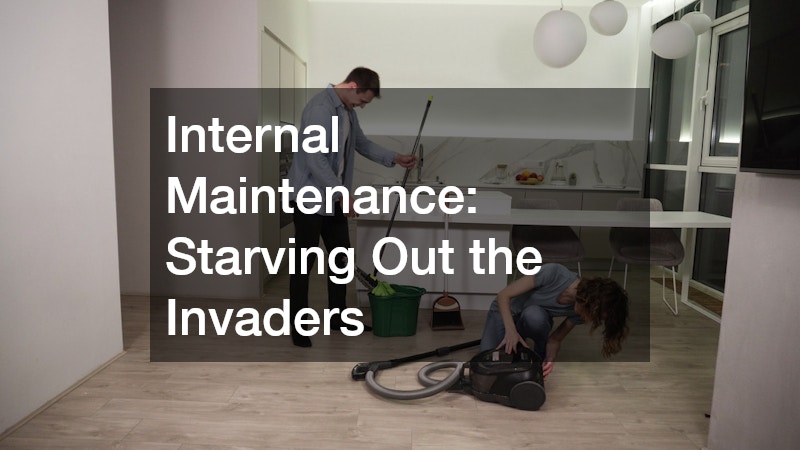
While the exterior of your home is the battlefield, the interior is the prize. Pests come inside for three things: food, water, and shelter. If you can eliminate these, your home becomes far less attractive. Kitchens are the primary target. Crumbs under the toaster, grease behind the stove, and open bags of flour in the pantry are all invitations to ants and weevils. Regular deep cleaning of these “hidden” areas is essential for long-term protection.
Water management is equally critical. A leaky pipe under the kitchen sink or a sweating water heater provides enough hydration for a massive colony of German cockroaches or silverfish. Ensure that all plumbing is dry and that bathrooms are well-ventilated to prevent the damp conditions that attract centipedes and earwigs.
- Airtight Storage: Store all dry goods in glass or heavy plastic containers with gaskets.
- Scent Neutralization: Wipe down counters with a vinegar solution to destroy ant pheromone trails.
- Pet Protocol: Clean pet food bowls every night; never leave bowls of food out overnight.
- Clutter Control: Avoid storing stacks of cardboard or newspapers, which provide perfect hiding spots.
Seasonal Habits for Year-Round Protection
Pest behavior changes with the seasons, and your defense should too. In the spring, the focus should be on “scouts.” Ants and wasps are looking for new nesting sites. Early intervention in March and April can prevent a massive hive from forming in July. During the summer, the focus shifts to moisture and outdoor pests like mosquitoes and ticks. Ensure that no standing water exists anywhere on the property—even a bottle cap full of water can breed hundreds of mosquitoes.
As the weather cools in the autumn, rodents begin their search for warmth. This is the time for a thorough inspection of your home’s exterior. Look for any hole larger than a dime and seal it with steel wool and caulk. In the winter, pests like spiders move deeper into the heated parts of the home. Maintaining a tidy basement and attic by keeping storage off the floor and in sealed bins will deny them the hiding spots they crave during the dormant months.
Creating a Safe Environment for Children and Pets

When implementing pest strategies, the safety of your vulnerable family members is paramount. If you are using baits or traps, they must be placed in locations that are inaccessible to curious toddlers or pets. Tamper-resistant bait stations are a must for any homeowner. Always communicate with professionals about the presence of pets or children so they can choose the safest possible application methods, such as botanical-based sprays or mineral dusts.
Natural deterrents can also play a role in a family-friendly home. Peppermint oil, diatomaceous earth, and certain essential oils can act as mild repellents for spiders and ants without introducing heavy chemicals into the living space. While these may not solve a major infestation, they are excellent tools for maintenance and creating a “no-go” barrier around sensitive areas like bedrooms and playrooms.
Protecting your home from the natural world is an ongoing commitment rather than a one-time task. By understanding the relationship between your home’s structure, its surrounding landscape, and the biological needs of the pests themselves, you can create an environment where your family thrives and unwanted visitors do not. Consistency is the key. Regular inspections, quick repairs, and a clean interior form a shield that is difficult for any creature to penetrate. When you treat your home as a complete system, you ensure that it remains the safe, healthy sanctuary your family deserves for years to come. Through proactive vigilance and the right professional partnerships, peace of mind is well within your reach.