
Hospital readmissions pose a significant challenge for patients, families, and healthcare systems alike. Studies show that a large percentage of readmissions are preventable through proper post-discharge care. One of the most effective solutions gaining traction is in home health care services. By offering personalized, professional care in the comfort of a patient’s home, these services can significantly reduce the likelihood of hospital readmissions.
This article explores how in home health care services contribute to better health outcomes, prevent complications, and foster patient independence.
Many patients struggle to transition from the hospital to home care, often feeling unprepared to manage their recovery independently. Factors such as complex medication schedules, limited mobility, and the absence of immediate professional support can increase the risk of complications. In home health care services help bridge this gap by providing skilled professionals who guide patients through the critical first weeks after discharge, ensuring a smoother recovery and reducing the chance of returning to the hospital.
Enhanced Monitoring and Early Intervention
One of the primary reasons patients are readmitted to the hospital is the deterioration of their health after discharge. Conditions like heart failure, chronic obstructive pulmonary disease (COPD), and diabetes require continuous monitoring and timely intervention. In home health care services bridge this gap by providing professional caregivers who can track vital signs, observe symptoms, and promptly report any concerning changes to healthcare providers.
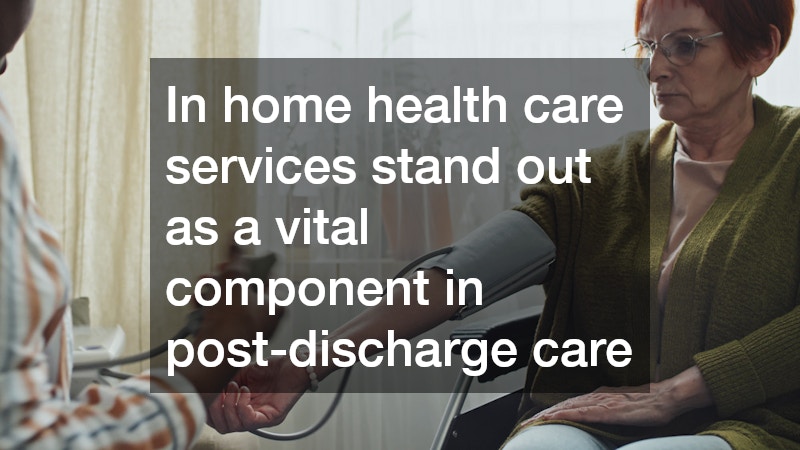
For example, a nurse visiting a heart failure patient at home can monitor weight fluctuations, blood pressure, and swelling. These indicators are often early signs of potential complications. By detecting issues before they escalate, caregivers can coordinate with physicians to adjust medications or recommend lifestyle changes, effectively preventing a readmission. Early intervention is especially critical for elderly patients, who may struggle to recognize subtle changes in their health.
Moreover, in home services offer tailored care plans that address the specific needs of each patient. This individualized approach ensures that patients receive the right interventions at the right time, reducing the risk of complications that often lead to rehospitalization. The combination of continuous monitoring, early detection, and personalized care makes in home health care services a cornerstone in reducing hospital readmissions.
Medication Management and Adherence
Another leading cause of readmissions is poor medication management. Patients frequently leave the hospital with complex medication regimens, which can be overwhelming and confusing. Missed doses or incorrect administration of medications can quickly result in worsening conditions, often necessitating another hospital stay.
In home services play a crucial role in medication management. Caregivers help organize medications, provide reminders, and educate patients on the importance of adherence. For patients with multiple prescriptions, in-home nurses can create structured schedules, reducing the likelihood of errors. This not only ensures compliance but also fosters confidence and independence in patients, helping them manage their health more effectively.
Additionally, in-home care providers act as a communication link between patients and doctors. If adverse reactions or side effects occur, caregivers can alert healthcare professionals promptly, allowing adjustments before serious complications develop. This proactive approach is instrumental in minimizing preventable hospital readmissions caused by medication mismanagement.
By combining patient education, direct supervision, and professional monitoring, in home health care services ensure that patients stay on track with their treatments, ultimately leading to fewer hospital visits and better long-term health outcomes.
Support for Chronic Conditions and Recovery
Chronic illnesses and post-surgical recovery periods are particularly vulnerable times for patients. Without proper support, patients may struggle with daily activities, experience setbacks, or fail to follow discharge instructions, increasing the likelihood of readmission. In such cases, in home services provide comprehensive support tailored to each patient’s condition and recovery goals.
For instance, post-operative patients benefit from wound care, pain management, and mobility assistance provided in their homes. Chronic disease patients receive help with lifestyle modifications, dietary guidance, and symptom management, all of which are critical to preventing hospital readmissions. By offering hands-on assistance and continuous encouragement, in-home care professionals empower patients to maintain a higher quality of life and adhere to prescribed care plans.
In addition to physical care, emotional support is an often-overlooked factor in reducing readmissions. Patients recovering at home frequently experience stress, anxiety, or depression, which can negatively affect their recovery. Caregivers from in home health care services offer companionship, reassurance, and counseling, promoting mental well-being alongside physical recovery. This holistic approach addresses both the medical and emotional aspects of health, further decreasing the risk of readmission.
Hospital readmissions are costly, disruptive, and often preventable with the right support. In home services provide a comprehensive solution by offering continuous monitoring, early intervention, medication management, and support for chronic conditions and recovery. These services not only reduce the likelihood of readmissions but also enhance the overall quality of life for patients.
As healthcare systems continue to focus on patient-centered care and cost-effective solutions, in home health care services stand out as a vital component in post-discharge care. By ensuring that patients receive professional attention, guidance, and support within their own homes, these services help patients stay healthier, avoid complications, and maintain independence. Ultimately, investing in in home services is an investment in better outcomes, reduced hospital strain, and improved patient satisfaction.